Congress Demands Gyanesh Kumar’s Removal After Report of EC Dissent
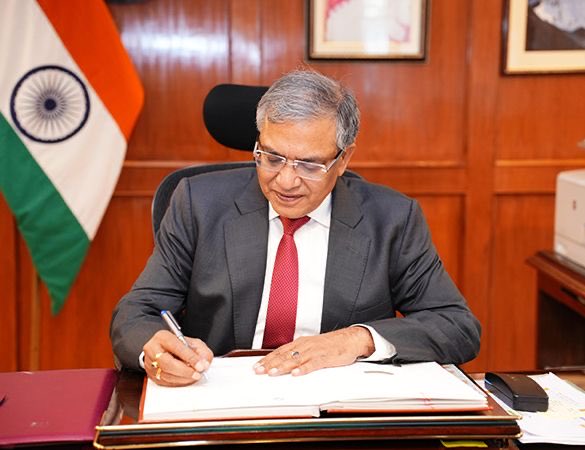
India's new Chief Election Commissioner Gyanesh Kumar (Image credit X.com)
By AMIT KUMAR
Congress leaders accuse CEC Gyanesh Kumar of overriding fellow Election Commissioners on electoral-roll decisions; Election Commission says SIR and other decisions were unanimous
New Delhi, September 23, 2026 — The Congress on Wednesday stepped up its attack on Chief Election Commissioner Gyanesh Kumar following a report that Election Commissioners Sukhbir Singh Sandhu and Vivek Joshi recorded objections on multiple occasions to decisions concerning electoral rolls, voter registration and election-related data.
The Indian Express reported that the two Election Commissioners had raised objections at least 14 times over a 10-month period, including over changes to Form 6, centralisation of electoral-roll database controls, voter-deletion appeals and the handling of eligible voters in Goa.
The Election Commission, however, rejected the suggestion of an institutional split, saying on Wednesday that decisions taken by the three-member poll panel, including the Special Intensive Revision (SIR), had the approval of all three Election Commissioners and were unanimous.
Congress general secretary K.C. Venugopal, reacting to the report on X, demanded Kumar’s immediate removal. He alleged that the CEC had acted without adequately involving his fellow constitutional colleagues and described him as the “chief architect” of what the Congress calls the nationwide “Vote Chori” exercise.
Venugopal also demanded a Supreme Court-monitored investigation into the functioning of the Election Commission. His allegations were political claims and were not established by the report on the internal objections.
Congress president Mallikarjun Kharge also cited the reported objections while renewing the party’s criticism of the SIR process. He claimed that 13.8 crore names had been excluded from draft electoral rolls during the first three phases of SIR and questioned the role of the CEC in decisions involving Form 6, electoral-roll software and voter data.
The scale of the deletions has become a major issue in the ongoing SIR exercise. The reported figures vary according to the stage and jurisdictions being counted; the Indian Express report said more than 13 crore names had been struck from draft rolls across 30 States and Union Territories.
Kharge also pointed to a removal notice submitted by 73 Opposition Rajya Sabha MPs on April 24 seeking a motion against Kumar. The notice was based on allegations of “proven misbehaviour” and was submitted under the constitutional and statutory framework governing removal of the CEC.
Rahul Gandhi separately alleged on X that “vote chori” was a crime against citizens and a direct attack on the Constitution, accusing the BJP, RSS and Election Commission of responsibility. These remain allegations by the Congress leadership and are not established findings.
The legal question over the relative role of the CEC and other Election Commissioners has a significant constitutional history. In its 1995 judgment in T.N. Seshan, Chief Election Commissioner of India v. Union of India, the Supreme Court upheld the multi-member character of the Election Commission and held that Election Commissioners, as members of the Commission, must have a say in decision-making. The judgment also recognised the CEC as the Chairman of the Commission, with decisions in cases of disagreement governed by the applicable majority mechanism.
Congress leader Abhishek Manu Singhvi invoked this precedent at a press conference, arguing that the CEC is “first among equals” and cannot treat the other Election Commissioners as subordinate officials. Singhvi said the reported objections raise questions about the functioning of the constitutional body.
The controversy now has two distinct dimensions: the factual question of what decisions were objected to internally and how those objections were handled, and the political question of whether the reported disagreements undermine confidence in the electoral-roll revision process.
With the Supreme Court also examining aspects of the SIR process, including concerns over notices issued to voters in Delhi, the dispute over the Election Commission’s internal functioning is likely to remain a significant constitutional and political issue.
Follow The Raisina Hills on WhatsApp, Instagram, YouTube, Facebook, and LinkedIn




About The Author