UGC Row: Modi Govt Retreats as General Category Anger Tests BJP’s Political Calculations
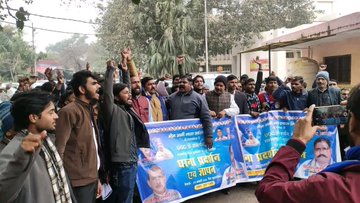
Protests in favour of UGC Resolution stayed by the Supreme Court (Image X.com)
By TRH Op-Ed Desk
Manish Anand argues that the Centre’s decision to reconsider the controversial UGC equity regulations exposes the political risks of caste-driven policymaking, mounting youth anger and the growing influence of alternative media.
New Delhi, November 6, 2026 — The Narendra Modi government appears to be retreating from its controversial University Grants Commission (UGC) equity regulations after mounting opposition and judicial scrutiny. The Centre has told the Supreme Court that it is contemplating a committee to reconsider the regulations, which were stayed earlier this year.
Political analyst Manish Anand, in a monologue for The Raisina Hills, describes the development as a political setback for the BJP, arguing that the government underestimated resentment among its general-category support base.
“The Modi government appears to be running away from the UGC resolution,” Anand said, arguing that the proposed committee could effectively put the controversial framework on hold for an extended period.
Anand contends that the BJP underestimated the anger among general-category students, teachers and voters over the regulations. He argues that the government assumed its traditional supporters would continue backing the party despite concerns over the proposed framework.
The regulations triggered controversy over their provisions for addressing caste-based discrimination in higher education. Critics questioned whether the framework adequately protected students and faculty across categories.
Anand argues that the controversy exposed the political risks of taking caste-based policymaking into university campuses without adequately assessing the concerns of all stakeholders.
A Pattern of Retreats?
The political analyst compares the UGC controversy with previous occasions when the Modi government reversed course following public protests, including the farm laws and amendments to the SC/ST Act.
He argues that the government’s decision to reconsider the UGC framework reflects the growing importance of public resistance, particularly among students and younger voters.
The controversy, Anand suggests, could have electoral consequences for the BJP as it faces growing anti-incumbency in several states.
Anand also credits alternative media platforms and student-led protests with helping build pressure on the government. He argues that issues overlooked by mainstream media can still become politically consequential when amplified through independent platforms.
The UGC controversy, he says, demonstrates that sustained public pressure can force the government to reconsider policies even when it initially appears determined to proceed.
The larger political question, according to Anand, is whether the BJP’s reliance on caste-based electoral calculations is beginning to alienate sections of its traditional support base.
(Watch Manish Anand’s political analysis on The Raisina Hills.)
UGC Regulations: Are ‘Andhabhaktas’ Finally Questioning Modi?
Follow The Raisina Hills on WhatsApp, Instagram, YouTube, Facebook, and LinkedIn




About The Author