Iran Dirty-Bomb Intel and Israel Coalition Talks: Facts
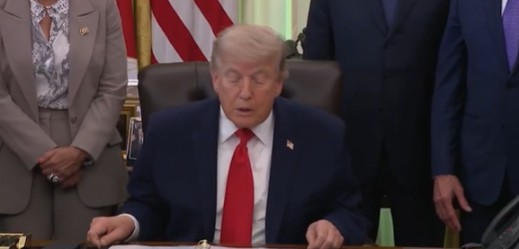
US President Donald Trump speaks to reporters on peace deal with Iran. (Image White House)
By TRH World Desk
Dirty-bomb intelligence and a stalled Israeli government: two stories that are being wrongly fused
New Delhi, November 17, 2026 — Two storylines have collided online this week: US intelligence on an Iranian plot, and Israel’s unfinished coalition talks. Social media has joined them into one theory in which Benjamin Netanyahu is engineering a US war with Iran. The first story is documented and the second is not. Mixing them is a mistake.
CNN reported, citing seven US officials, that new intelligence indicates Iran is developing plans to target senior Trump administration officials in Washington with a dirty bomb or chemical weapon. Officials told the broadcaster the plot is specific, with locations and targets, but they described it as a way for Tehran to give itself options instead of an imminent attack, and said officials remain divided on how credible it is.
CNN also said there is no evidence Iran has decided to proceed. Officials held several meetings on countering the threat, planning one source called “prudent.”
Iran’s UN mission called the chemical-weapons allegations “false and fabricated” but did not directly address the dirty-bomb intelligence.
A dirty bomb pairs conventional explosives with radioactive material and is far less destructive than a nuclear weapon.
CNN added that a surveillance law allowing collection of foreigners’ communications expired in June, making a plot harder to detect, and that officials are watching separate intelligence about possible chemical attacks on US troops.
Iran has a record here, including a 2024 murder-for-hire plot against Trump, as CNN notes. A regional source quoted by the broadcaster warned that hardliners who have benefited from the war could try to play “spoiler.”
Netanyahu in US-Iran Tension
Israeli President Isaac Herzog gave Yashar leader Gadi Eisenkot the first chance to form a government on November 8, and the Joint List offered to support him from outside the coalition. He has 28 days, with a possible 14-day extension.
On November 14, Netanyahu urged Eisenkot to hold unity talks “without preconditions,” arguing a narrow government or one backed by Arab parties could not face Iran, according to Haaretz.
Eisenkot dismissed this as “another spin,” and Likud and Yashar negotiators met on Sunday in Herzliya. The National wrote that Netanyahu sensed a chance to extend his tenure by talking up the Iran threat.
Eisenkot has urged him not to launch military action without an immediate threat.
Netanyahu using the Iran threat to sell a unity government is documented: he said so publicly. A secret scheme to trick Washington into war is not.
The only sign of Washington’s mood points the other way: Trump told advisers he may not attack Iran unless it provokes the US.
Leaked intelligence can serve policy aims, so readers are right to ask who benefits from its timing. But a plausible motive is not evidence, and an Iranian threat can be both politically convenient and real.
The two stories also run on different clocks. The coalition fight will be settled by Knesset arithmetic over weeks. The plot, if it exists, would be handled by security services before it is public.
The sober reading is also the useful one: a credible but unconfirmed threat, a prime minister making Iran central to his coalition pitch, and no evidence of a plot to start a war. Keeping them separate is how to follow the story.
Trump’s ‘No War, No Deal’ Iran Strategy Faces a Dangerous Deadlock
Follow The Raisina Hills on WhatsApp, Instagram, YouTube, Facebook, and LinkedIn




About The Author