Mental Health Is More Than Depression: The Hidden Struggles of Patients and Caregivers
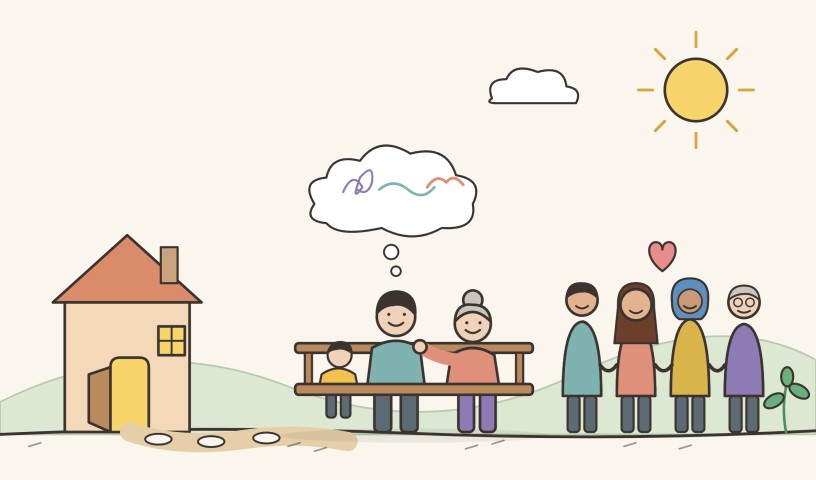
From schizophrenia and bipolar disorder to caregiving burdens and stigma, mental health care needs dignity, rehabilitation, family support and social inclusion. (AI Sketch)
By BHAWNA MALIK
From schizophrenia and bipolar disorder to caregiving burdens and social stigma, mental health requires a broader focus on dignity, rehabilitation, family support and social inclusion.
New Delhi, October 10, 2026 — Mental health is more than sadness, stress or a diagnosis. From people living with serious mental illnesses to families struggling with the demands of caregiving, social isolation and stigma, the conversation must expand to include social health, dignity and inclusion.
When mental health enters public conversation, depression often takes centre stage. Feeling low, losing interest or struggling through a difficult week is frequently discussed through the vocabulary of depression. While awareness of the condition is essential, mental health is a far wider and more complex landscape.
Anxiety disorders, bipolar disorder, schizophrenia, obsessive-compulsive disorder (OCD), eating disorders, post-traumatic stress disorder and substance-use disorders represent distinct experiences that cannot be reduced to a single label. Intellectual and developmental disabilities also deserve attention, although they are not synonymous with mental illness.
Anjali Sood, a special educator, explains, “An important misconception is the use of terms such as ‘mentally challenged’ as an umbrella description. Intellectual disability generally involves limitations in intellectual functioning and adaptive behaviour that begin during the developmental period. Mental illnesses, on the other hand, are health conditions that affect mood, thinking, perception or behaviour. The two can coexist, but they are not interchangeable.”
Using one label for everyone risks overlooking individual needs and denying people the appropriate support. For people living with severe and enduring mental illnesses, the challenges frequently extend beyond symptoms. Access to education, employment, housing and relationships can become difficult, while stigma adds another layer of exclusion.
A person experiencing psychosis, for instance, may perceive things differently from others. Someone living with bipolar disorder may experience significant changes in mood and energy, while a person with OCD may struggle with distressing intrusive thoughts and compulsive behaviours. These experiences are far more complex than simply feeling sad.
Yet the assumption persists that people with mental-health conditions are incapable, unpredictable or permanently dependent. In reality, with appropriate treatment and support, many can study, work, create art, build relationships and contribute meaningfully to society. Recovery does not always mean the complete disappearance of symptoms; it can also mean developing the support and skills needed to lead a fulfilling life.
Twenty-year-old Hariharan, an artist with cerebral palsy, paints abstract forms on canvas. His mother, Kaushalya, recalls how she began exploring artistic avenues after doctors confirmed his condition. “He liked colours and could spend hours painting,” she says.
Her experience reflects the importance of recognising an individual’s interests and abilities rather than allowing a diagnosis to define their identity. It also highlights the need to understand cerebral palsy as a neurological condition, rather than automatically equating it with mental illness or intellectual disability.
When one diagnosis affects an entire family
Behind many people living with mental-health conditions are parents, siblings and caregivers whose struggles remain largely invisible. For families, the journey may begin with uncertainty: What is happening to my child? Why has my parent changed? Will my family member become independent? Who will care for them when we are no longer around? For parents and siblings of people with severe and enduring mental illnesses, caregiving can become a long-term responsibility. Treatment appointments, medication, changing needs, financial pressures and uncertainty about the future can reshape family life.
A 2024 qualitative study of caregivers of people with schizophrenia in North India identified emotional burden, disruption of personal and social life, caregiving challenges and financial difficulties as major concerns. A 2025 meta-analysis of 52 Indian studies similarly highlighted the considerable burden experienced by these caregivers and called for targeted psychosocial interventions.
The emotional consequences can be profound. Parents may reduce their working hours or leave employment to provide care. Siblings may experience anxiety about the future, while families may withdraw from social gatherings because they fear gossip, judgement or rejection.
Caregivers, too, need someone to ask how they are coping. They need counselling, respite, peer support and opportunities to maintain their own social and professional lives.
Kaushalya believes mental-health awareness must move beyond inspirational quotes and occasional campaigns. “It must enter our classrooms, workplaces, neighbourhoods, hospitals and homes,” she says.
Social health: The missing link
Mental health cannot be addressed through medical treatment alone. A prescription may help manage symptoms, but it cannot automatically resolve loneliness, restore employment or eliminate discrimination. Social health—the quality of our relationships, support networks and sense of belonging—is an essential part of overall well-being. For people living with mental-health conditions and their families, it can make the difference between merely receiving treatment and being able to participate in everyday life.
A supportive society begins with practical changes. Schools must recognise emotional and behavioural difficulties without hastily labelling children. Workplaces should make reasonable accommodations where needed. Neighbourhoods must stop treating families as subjects of gossip, while community organisations can create peer-support groups, accessible counselling and rehabilitation opportunities.
India has made progress in recognising mental healthcare as a public-health concern, but access to affordable and sustained services remains uneven. For many families, early recognition and professional assessment are difficult to navigate. Treatment may involve psychotherapy, medication, rehabilitation, family counselling, occupational support, vocational training and community-based care, depending on individual needs.
The objective must be to enable people to exercise choice, maintain relationships and live with dignity—not merely to manage symptoms. The conversation about mental health must include suicide prevention, depression and anxiety, but it must also address schizophrenia, bipolar disorder, trauma, developmental disabilities, caregiving, rehabilitation, accessibility and the rights of people living with psychosocial disabilities.
Awareness is only the beginning. Acceptance requires us to reconsider how we respond to people whose experiences, behaviour or abilities differ from our own. The real measure of a compassionate society is not how comfortably it discusses mental health during an awareness campaign, but how respectfully it treats people when the campaign ends.
Mental health is personal, but it is also social. A society that offers treatment while leaving families isolated has addressed only part of the problem. The larger goal must be early intervention, dignity, rehabilitation, caregiver support and social inclusion.
Because mental health is not simply about what happens inside the mind. It is also about what happens between people—and whether society makes room for everyone to belong.
Tears of the Forgotten: India’s Elderly at Life’s Crossroads
Follow The Raisina Hills on WhatsApp, Instagram, YouTube, Facebook, and LinkedIn




About The Author