Russia Dumps Gold at Fastest Pace Since 1998 Crisis: What Happens to Gold Prices Next?
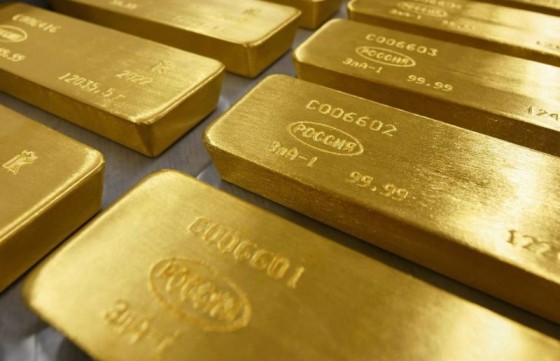
Russia is reducing its gold reserves while China, Poland and other central banks continue to accumulate bullion. (Image LinkedIn)
By S. JHA
Russia’s gold liquidation is raising questions about the Kremlin’s finances, but global central-bank demand remains strong. Gold prices, meanwhile, face another volatile week amid dollar strength, interest-rate expectations and US economic data.
Mumbai, November 22, 2026 — Russia has emerged as the world’s biggest reported central-bank gold seller for the second consecutive quarter, raising fresh questions about the country’s financial pressures and the future direction of the precious-metal market.
According to the World Gold Council (WGC), the Bank of Russia sold 18.66 metric tonnes of gold during the third quarter of 2026. The pace of liquidation is an extraordinary development for Moscow, whose gold reserves had previously been built up as a financial buffer against sanctions, economic uncertainty and geopolitical risks.
Russian selling of yellow metal is also in sharp contrast to Moscow making windfall gains from higher crude oil prices. Russia by all accounts has been able to weather the financial shocks induced by the Ukraine War by stepping up oil and coal sell to China and other nations.
Russia’s scale of the selling of Gold is particularly striking when compared with Moscow’s financial history. The country sold approximately 118 tonnes of gold from its reserves in 1998, during the financial crisis that culminated in a sovereign default. The current liquidation has revived comparisons with that turbulent period, although the circumstances today are different.
Russia’s gold holdings have declined by around 62 tonnes since the beginning of 2026 through September, as fiscal pressures and operations linked to the National Wealth Fund have contributed to the reduction.
The Kremlin’s gold sales are taking place against a global trend that remains largely supportive of the metal. Central banks collectively purchased approximately 321 tonnes of gold in the third quarter, indicating that Russia’s liquidation is not representative of broader reserve-management behaviour.
China continued to be a major buyer, adding approximately 63.14 tonnes, while Poland also made substantial purchases. Uzbekistan and Kazakhstan were among the other reported buyers. Qatar, Kyrgyzstan and the United Arab Emirates recorded relatively modest reductions, according to the WGC.
The contrast is significant: Russia is liquidating gold while several countries continue accumulating it as a strategic reserve asset.
Is Russia selling gold because of financial pressure?
The Russian government’s fiscal position has come under strain from military expenditure, sanctions, weaker economic conditions and budgetary pressures. Gold liquidation can provide liquidity without directly relying on foreign borrowing.
However, the scale of reported sales alone does not establish a financial crisis comparable to 1998. Russia continues to hold substantial gold reserves, and the central bank has linked its gold operations to Finance Ministry transactions under the country’s fiscal framework.
The more important signal is that Moscow is increasingly using accumulated reserves to manage current financial requirements rather than solely expanding its strategic gold holdings.
What happens to gold prices in the coming days?
Gold enters the week of November 23 with a weak short-term technical outlook. Prices suffered a sharp sell-off during the previous week, falling towards the $3,500-an-ounce region amid a stronger US dollar, rising interest-rate expectations and market liquidation.
The immediate direction will depend on US economic releases, inflation indicators, Federal Reserve commentary, Treasury yields and dollar movements.
A continued rise in rate expectations could pressure gold further, as higher yields reduce the appeal of non-yielding bullion. A weaker dollar, softer economic data or renewed geopolitical uncertainty could trigger a relief rally.
The $3,500 region is an important psychological support zone. A decisive breakdown could expose lower levels, while a recovery towards $3,700–$3,800 would signal an attempt to stabilise.
Gold’s longer-term story remains intact
Despite the sharp correction, central-bank accumulation remains a structural factor supporting gold. Countries seeking diversification away from traditional reserve currencies continue to view bullion as a strategic asset.
Russia’s selling therefore presents a contradiction in the gold market: one major reserve holder is liquidating metal, while other central banks continue buying.
For investors, the next few sessions may be dominated by volatility and technical pressure. Last week gold prices went into a tailspin. The yellow metal tanked over three per cent on Friday. Gold along with Silver and Copper is crashing in the bullion markets, with some analysts even wondering if margin call trigger is bringing cascading effects with relentless crashes.
(This article is only for informational purposes. It makes no investment advice.)
Key Takeaways:
-
Russia is an outlier: Its gold sales contrast with the wider central-bank buying trend.
-
18.66 tonnes sold: Bank of Russia disposals in Q3 2026.
-
Historical warning: The 1998 episode involved 118 tonnes sold in three months, but today’s situation is not automatically comparable to the default.
-
Gold demand remains broad: Central banks collectively purchased around 321 tonnes in Q3.
-
China and Poland are major buyers: Their reported purchases highlight continued strategic diversification.
-
Near-term gold outlook is fragile: Strong dollar and higher rate expectations could prolong selling.
-
$3,500 is a key watch zone: A break could deepen the correction, while a recovery towards $3,700–$3,800 would help stabilise the market.
Copper Price Crash Explained: Why It Fell and What It Means for Auto Stocks
FAQs:
Why is Russia selling gold in 2026?
Russia’s gold sales are linked to reserve management and fiscal operations, including transactions associated with the National Wealth Fund, amid budgetary pressures.
How much gold did Russia sell in Q3 2026?
The Bank of Russia sold 18.66 metric tonnes during the third quarter of 2026, according to World Gold Council data.
Which countries are buying gold while Russia sells?
China and Poland were among the major reported central-bank buyers in Q3 2026, alongside other countries such as Uzbekistan and Kazakhstan.
Will gold prices fall further in November 2026?
Further declines remain possible if the dollar strengthens and markets anticipate higher US interest rates. The $3,500 region is an important near-term support zone.
Can gold recover after its sharp fall?
Yes. Oversold conditions, softer US economic data, lower yields, a weaker dollar or renewed geopolitical uncertainty could trigger a rebound, although a sustained reversal has not yet been confirmed.
Is Russia’s gold selling similar to the 1998 financial crisis?
The scale evokes comparisons with 1998, when Russia sold 118 tonnes in three months before defaulting. However, the current economic, financial and geopolitical conditions are different, so the historical comparison should not be treated as a prediction of another default.
Follow The Raisina Hills on WhatsApp, Instagram, YouTube, Facebook, and LinkedIn




About The Author