Smartphone Prices Rise 16% in India as Memory Costs and Rupee Weakness Hit Buyers
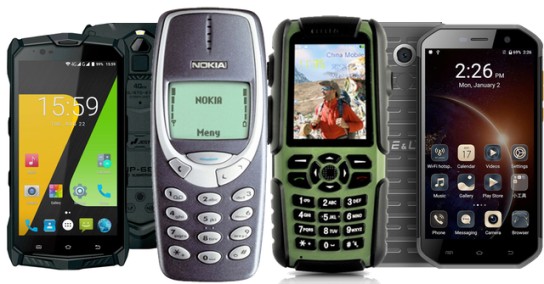
Smartphone prices in India rose 16% in the first half of 2026 as memory costs and rupee weakness hit affordability and budget handset shipments. (Image ICTWorks)
By SANJAY SINGH
Rising memory component costs and a weakening rupee are pushing up smartphone prices in India, squeezing demand for budget devices even as the premium segment continues to grow.
New Delhi, October 8, 2026 — Smartphone prices in India are rising as higher memory component costs and a weakening rupee make imported components more expensive, putting pressure on affordability and mobile phone sales. Industry estimates suggest that the increase could continue into next year and beyond if cost pressures persist.
According to Counterpoint Research data, the average selling price of smartphones in India rose 16% year-on-year in the first half of 2026. Smartphone manufacturers are facing higher component expenses as demand for memory from artificial intelligence infrastructure and data centres puts additional pressure on global supply chains.
The rupee’s depreciation has added to the burden because many components used in smartphones are sourced internationally, further increasing costs for manufacturers.
Companies are now faced with difficult choices: pass on the additional expenses to consumers through higher retail prices, absorb part of the increase themselves or reduce specifications at particular price points.
Budget smartphones face the biggest pressure
The impact has been particularly sharp in the entry-level segment. Smartphones priced below Rs 10,000 recorded an average price increase of more than 30% in the first half of 2026, according to the Counterpoint data cited in the industry estimates. Shipments in this segment fell 65% year-on-year.
The trend is significant for India’s mobile phone market, where affordable smartphones have traditionally contributed a substantial share of sales volumes.
Higher prices are also changing consumer purchasing behaviour. Industry sources indicate that some buyers are turning to used and refurbished smartphones or cheaper 4G models instead of purchasing more expensive new 5G devices.
This shift is being observed not only in smaller cities and towns but also in metropolitan markets, reflecting the broader impact of rising handset costs on consumers.
Premium smartphones buck the trend
The premium smartphone segment, however, is showing a different trend. Devices priced above Rs 22,000 have continued to record growth, according to the industry data cited.
The divergence suggests that rising prices are affecting market segments differently. Budget-conscious consumers face greater pressure from increases in entry-level handset costs, while demand for higher-priced smartphones has remained comparatively resilient.
With memory component expenses and currency movements continuing to influence manufacturing costs, the coming months will be important for smartphone makers as they balance pricing, specifications and sales volumes.
If cost pressures persist into 2027, affordability could remain a key challenge for India’s smartphone industry, particularly in the entry-level market that has traditionally driven mass adoption.
Follow The Raisina Hills on WhatsApp, Instagram, YouTube, Facebook, and LinkedIn




About The Author