Delhi shuts its gates, and the ordinary traveller pays the toll
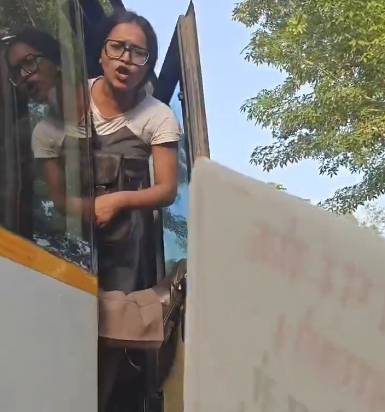
57 metro stations shut, trains cancelled: who pays for Delhi's caution? (Image video grab)
By TRH News Desk
Delhi Metro, Train Shutdowns Before October 10 CJP Protest Leave Commuters Stranded
New Delhi, October 9, 2026 — By Friday night, the capital had turned into a fortress. Ahead of the Cockroach Janata Party’s October 10 protest at Jantar Mantar, the Delhi Metro Rail Corporation said 57 stations would close from 9 pm on Friday until further notice, including New Delhi, Rajiv Chowk, Central Secretariat and Mandi House. The police have refused permission for the protest and said prohibitory orders are in force.
Every state has the right, and the duty, to prevent violence. Nobody disputes that. The question is who ends up carrying the cost of that caution.
The trains that never left: The rail arrangements cut deepest. Eight Delhi-bound trains were reported cancelled, and student protesters were made to deboard the Goa Express at Itarsi in Madhya Pradesh. Before the Supreme Court, petitioners argued that trains to New Delhi and Nizamuddin would be cancelled between 4 AM and 2 PM on protest day, along with Howrah, Sealdah and Rajdhani services. These are claims made in court, and the railways’ full list should be checked before travel.
Consider what a cancelled train means. A confirmed ticket in India is often weeks of planning and a few lucky clicks at 10 am sharp. It carries a patient to an AIIMS appointment, a candidate to an interview, a daughter to a wedding or a worker to a job that will not wait. When that train disappears, the alternatives are poor. Fresh confirmed seats are nearly impossible to find at short notice, and flights cost several times a train fare. For many families, flying is simply not an option.
What the Supreme Court said: On Friday, the court noticed. A bench headed by Chief Justice Surya Kant asked the Centre to ensure there is no complete stoppage of trains and metro closures, and to allow services in a regulated manner. The CJI reminded the government that its duty is to protect people as well as property. He listed women, children, senior citizens and patients, and said caution is fine as long as “everything is not brought to a halt.” The court also noted that closures hit commuters from Gurugram, Greater Noida and the wider NCR, and urged the government to identify a larger alternative venue for protests.
The Delhi High Court, meanwhile, declined an urgent hearing on a related petition and will take it up on Monday, which is after the protest has come and gone.
Both sides are playing to a crowd: The protest organisers are not blameless in this standoff. CJP founder Abhijeet Dipke has promised a “massive mobilisation” and warned that suppression will only bring more people out. Co-convenor Saurav Das argues that Jantar Mantar is a designated protest site where permission should not be needed. Both claims carry weight, but a movement that says it speaks for ordinary Indians should also think about the ordinary Indian stuck on a platform.
We have seen this before. In July, when stations were shut during earlier CJP protests, thousands of commuters were left stranded and reported delays reaching workplaces, colleges and appointments.
The administration’s logic is that closing everything is easier than managing something. Targeted measures, such as closing only the stations nearest Jantar Mantar, keeping interchanges open and running trains with extra screening, demand more effort and more trust. A blanket shutdown spares officials a hard day at the cost of a harder one for everyone else.
The commuter did not call this protest and did not refuse it permission. Yet she is the one who misses the interview, the surgery date or the last day of leave. A democracy has to handle dissent without making ordinary life collateral damage, and when ordinary life takes the hit, both the protest and the policing lose some of their moral standing.
Follow The Raisina Hills on WhatsApp, Instagram, YouTube, Facebook, and LinkedIn




About The Author