Delhi SIR Protest: Lawyers, Women Activists and Opposition Leaders Detained
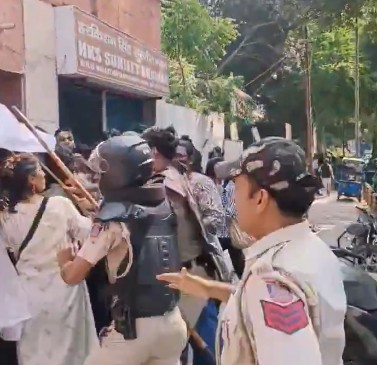
Delhi Police personnel detained protestors from Safdarjung Flyover on Saturday. (Image video grab)
By TRH Political Desk
Police action against protesters demanding CEC Gyanesh Kumar’s resignation sparks allegations of mistreatment, violence against women and restrictions on peaceful dissent.
New Delhi, October 10, 2026 — The detention of opposition leaders, lawyers and student activists during the October 10 protests in Delhi against the Special Intensive Revision (SIR) of electoral rolls and Chief Election Commissioner Gyanesh Kumar has intensified questions over the handling of political dissent. Allegations of repeated lathi charges, mistreatment of women protesters and restrictions on demonstrators seeking refuge at Gurdwara Bangla Sahib have added to the controversy surrounding the police action.
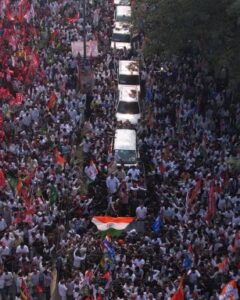
The protests brought together a diverse group of political leaders, civil society figures, lawyers and student activists demanding accountability from the Election Commission and the resignation of Gyanesh Kumar. A lawyer marching from the Supreme Court towards Jantar Mantar was among those detained, underscoring how the police action extended beyond party workers and street-level demonstrators.
Among those detained was senior Supreme Court advocate Shadan Farasat, whose shirt was reportedly torn during the police action. Live Law reported that detained lawyers sang the national anthem while in custody at the Yamuna Sports Complex, turning their detention into a symbolic expression of their protest.
AISA activist Anjali, speaking to DeKoder while being detained on Safdarjung Flyover, alleged that protesters had faced repeated lathi charges and that police personnel groped demonstrators and tore their clothes. Other women protesters described being dragged by police and displayed injuries they attributed to earlier detentions.
These are serious allegations that warrant an impartial investigation. Questions were also raised over police personnel allegedly lacking visible name tags inside a detention vehicle.
The reported use of prison vans with grilled windows to transport detainees, including political leaders, further became a point of contention. The images and accounts emerging from the day have sharpened the debate over proportionality, police accountability and the treatment of citizens exercising their right to peaceful assembly.
The scale of the detention operation was reflected in the presence of senior political figures among those taken into custody. Trinamool Congress chief Mamata Banerjee was detained alongside party leaders during a protest against Gyanesh Kumar. Former Delhi chief minister Arvind Kejriwal and Kerala Chief Minister Pinarayi Vijayan were also named among prominent political figures detained.
CPI(ML) said its general secretary Dipankar Bhattacharya, AISA national president Neha Bora, senior advocate Prashant Bhushan, psephologist Yogendra Yadav and Delhi state secretary Ravi Rai participated in a march demanding the CEC’s resignation.
Congress leader Deepender Singh Hooda questioned the detention of protesters and alleged harassment, including reports of police personnel going to people’s homes. “What kind of democracy is this?” he asked.
The Congress, in a post on X, alleged that individuals were attacking protesters in the presence of Delhi Police and accused the authorities of failing to intervene when a young woman was allegedly knocked down and beaten.
The reported presence of police personnel at Gurdwara Bangla Sahib added a sensitive religious dimension to the day’s confrontation.
Trinamool Congress MP Mahua Moitra alleged that police had gone to the gurdwara to prevent peaceful protesters from seeking refuge there, but were turned away. Damanjeet Kaur also criticised the reported police presence, questioning why young people demanding electoral accountability were being pursued.
The allegations raise questions about the handling of demonstrators at places of worship and the need to respect their sanctity.
The October 10 confrontation has become more than a dispute over permission to assemble at Jantar Mantar. It has brought together concerns about electoral roll revisions, the independence and accountability of the Election Commission, police powers and the right to peaceful protest.
The Delhi Police’s restrictions and detentions came amid demands for Gyanesh Kumar’s resignation over the SIR exercise. The authorities’ position on permissions and public order must be considered alongside the constitutional rights of citizens to assemble and express dissent.
For the Narendra Modi government, the political challenge lies in addressing these concerns without allowing the controversy to deepen public distrust of democratic institutions. For the Election Commission, transparent explanations of disputed electoral roll changes are essential to maintaining confidence in the voting process.
The allegations of violence against women, torn clothing, injuries and mistreatment in custody call for particular scrutiny. Independent investigation, accountability where wrongdoing is established, and clear public communication would help distinguish legitimate law enforcement from excessive force.
A democracy is tested not simply by how it conducts elections, but also by how it treats citizens who question the institutions responsible for them. The events in Delhi have made that test unavoidable.
Delhi Protest Crackdown: CJP Leaders Detained From Plane, Journalists Held
Follow The Raisina Hills on WhatsApp, Instagram, YouTube, Facebook, and LinkedIn




About The Author