UPSC at 100: Does India’s Civil-Service System Select for Skill, Judgment and Character?
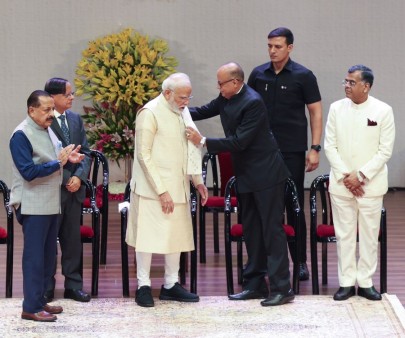
UPSC at 100: India’s Bureaucracy Faces a Searching Question — Is Recruitment Getting the Right Talent? (Image Jeetendra Singh on X)
By MANISH ANAND
Bureaucracy is yet to redeem itself from its colonial character. Bureaucrats in India seem to have only replaced loyalty with their British masters with their political akas in the independent India.
New Delhi, October 1, 2026 — Union Public Service Commission (UPSC) has turned 100 at a time when the Indian bureaucracy faces a major test of crisis of faith. Tasked with staffing the Indian bureaucracy with the best fit, the UPSC now is a czar of Babus who are most often caught in corruption, while aligning with political masters for personal gains.
Subhash Chandra Bose still remains an example of excellence of India’s talents who had cracked the ICS, the previous avatar of the UPSC. Bose was fired with nationalist urges to quit the luxury of the bureaucracy to fight for India’s Independence.
Now that India is closing on an almost eight decades of being an independent nation, bureaucracy is yet to redeem itself from its colonial character. Bureaucrats in India seem to have only replaced loyalty with their British masters with their political akas in the independent India.
Exemplars indeed sometimes shine on the bureaucracy for living up to their true ideals. But they are too few. Largely, the Indian bureaucrats have only acquired an image of India’s privileged lot who work to protect their interests.
At a time when India is mired in a crisis of faith with institutions largely questioned by the Opposition and the people at large, the top echelons of the bureaucracy invite scrutiny for lapses, of morals and ideals. If the students have to hit streets to demand fair examination system even after almost eight decades of India’s independence, the verdict should leave none in doubt that the bureaucrats have failed the nation.
Indeed, politics and the accompanying power corrupt the bureaucracy. But similar lot has not been mirrored in the Armed forces. Possibly, the reason could be the distance from the political class.
Bureaucrats in some cases have joined politics and even excelled. But they are a tiny lot.
Episodes of extensions even after retirements suggest that bureaucrats invest in building political loyalties. Plethora of tribunals in the country is also indicative of the bureaucrats carving out opportunities to pamper themselves with luxuries even after their retirements.
The UPSC has to take the onus for the rot in the Indian bureaucracy. The recruitment body of the IAS, IPS, IRS, IFS, and many other central services arguably has failed in adequate personality assessments of recruits. Since the rot is systemic, it can also be argued that the UPSC itself is in the dock for questionable talent pool who sift skills and characters of the young applicants.
(This is an opinion piece. Views expressed are the author’s own.)
Follow The Raisina Hills on WhatsApp, Instagram, YouTube, Facebook, and LinkedIn




About The Author