Jantar Mantar Protest: Women Journalists’ Complaints Raise Questions for Delhi Police
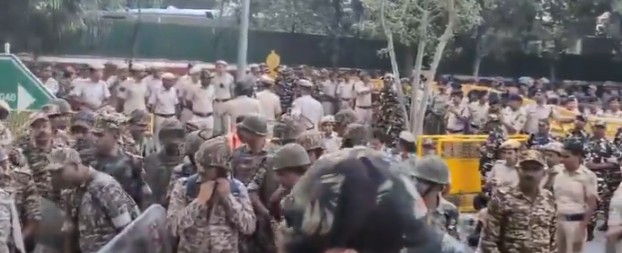
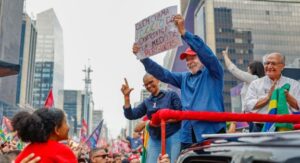
The CJP joined protests at Jantar Mantar on Sunday in support of demand for complaints by three journalists of sexual harassment by the police (Image video grab)
By AMIT KUMAR
As the CJP, AISA and Left groups intensify protests over electoral-roll revision, allegations of sexual harassment by police personnel have added a new dimension to the confrontation.
New Delhi, October 4, 2026 — Sunday’s protests at Jantar Mantar in Delhi and in Mumbai have widened the political confrontation over Chief Election Commissioner Gyanesh Kumar and the Special Intensive Revision (SIR) of electoral rolls. But allegations of sexual harassment by police personnel against three women journalists have brought another serious issue into focus: accountability in the exercise of state power.
Delhi Police has transferred the journalists’ complaints to the Crime Branch for investigation. One journalist alleged that Assistant Commissioner of Police Vivek Bhagat touched her inappropriately while she was recording the detention of All India Students’ Association (AISA) president Neha Bora. These are allegations that must be investigated impartially, with responsibility established through due process.
The crucial question is whether journalists can document police action without fear of intimidation or harassment. The reported delay in responding to the complaints has added to concerns. An independent and credible investigation is essential, regardless of the political affiliations of those involved.
The Cockroach Janata Party (CJP), which has made Kumar’s resignation a central demand, has seized on the controversy to intensify its criticism of the Delhi Police. Its intervention gives the movement a broader accountability argument, extending beyond electoral-roll revision to police conduct and press freedom.
AISA president Neha Bora, Left organisations and other activists have also become part of the wider mobilisation. Their challenge is to keep the focus on electoral transparency while ensuring that the journalists’ complaints are treated as a serious matter in their own right.
In Mumbai, the joint mobilisation led by Shiv Sena (UBT) chief Uddhav Thackeray and Maharashtra Navnirman Sena chief Raj Thackeray brought opposition parties together against the SIR exercise. The participation of established political parties has added organisational weight to a campaign that also draws support from student groups and civil society activists.
The Election Commission has defended the revision exercise, making transparency and verifiable evidence central to the debate over alleged voter exclusions.
The authorities now face two distinct tests: addressing concerns about electoral rolls and ensuring a fair investigation into the journalists’ complaints. Neither issue should be allowed to obscure the other.
For the protesters, too, credibility will depend on demanding accountability without prejudging the investigation. Democratic institutions earn public trust not through assertions of authority, but through transparency, fairness and demonstrable responsibility.
Mumbai vs Delhi Protests: A Leadership Test for Amit Shah and Fadnavis
Follow The Raisina Hills on WhatsApp, Instagram, YouTube, Facebook, and LinkedIn




About The Author