Raghu Rai Dies: Icon of Photography Leaves Timeless Legacy
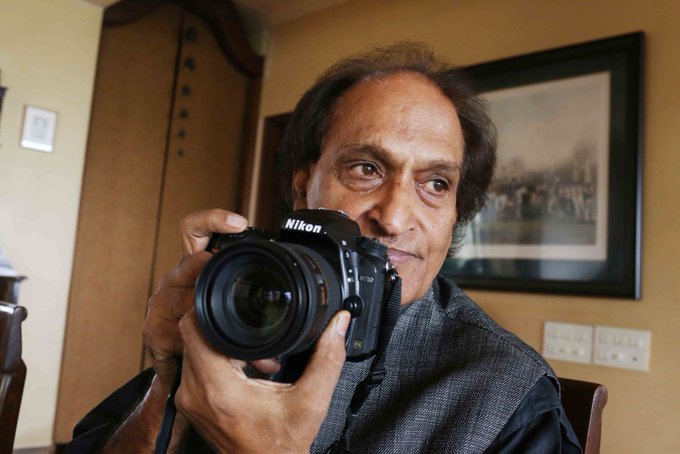
Celebrated photographer Raghu Rai passes away. (Image X.com)
From The Statesman to Magnum Photos, Rai’s six-decade journey captured India in frames that were unforgettable and transformative
By NIRENDRA DEV
New Delhi, April 26, 2026 — Celebrated photographer Raghu Rai is no more, marking the end of an era in Indian photojournalism. His images—timeless, unforgettable, and often unsettling—captured the soul of a nation in transition and left an indelible imprint on global visual storytelling.
Raghu Rai began learning photography in 1962, and by 1965 had joined The Statesman in New Delhi as its chief photographer. His early work quickly stood out for its depth, composition, and ability to capture human emotion in raw, compelling frames.
A defining moment came in 1971 when Rai exhibited his work in Paris. It was here that he caught the attention of Henri Cartier-Bresson, widely regarded as one of the most influential photographers of the twentieth century. Deeply impressed, Cartier-Bresson personally nominated Rai to join Magnum Photos in 1977—an honour reserved for only a handful of Indian photographers.
Before joining Magnum, Rai had moved on from The Statesman in 1976 to become picture editor of Sunday, a prominent weekly news magazine published from Calcutta. His editorial eye helped shape a new visual language in Indian journalism.
In 1980, he joined India Today, where between 1982 and 1991 he produced what many consider the definitive picture essays of that era—works that documented India’s political churn, social realities, and cultural depth with unmatched sensitivity.
Over a career spanning nearly six decades, Rai created an extraordinary archive of images—ranging from war and politics to faith and everyday life. His photographs of leaders such as Indira Gandhi, as well as ordinary Indians, saints, charlatans, deserts, and monuments like the Taj Mahal, remain etched in public memory.
Working seamlessly in both black-and-white and colour, Rai’s images were not merely documentary—they were interpretive, often challenging viewers to confront uncomfortable truths.
Raghu Rai authored nearly 40 books of photography, each contributing to a deeper understanding of India’s evolving identity. His work did not just record moments—it reshaped how people, including those in positions of power, perceived the world and its complexities.
Arguably India’s greatest photographer, Raghu Rai’s passing leaves behind a legacy that will continue to influence generations of photographers and storytellers.
Mark Tully: The BBC’s ‘Voice of India’ and a Journalism Icon
Follow The Raisina Hills on WhatsApp, Instagram, YouTube, Facebook, and LinkedIn




About The Author