FSSAI Cracks Down on Artificial Ripening of Fruits Amid Concerns
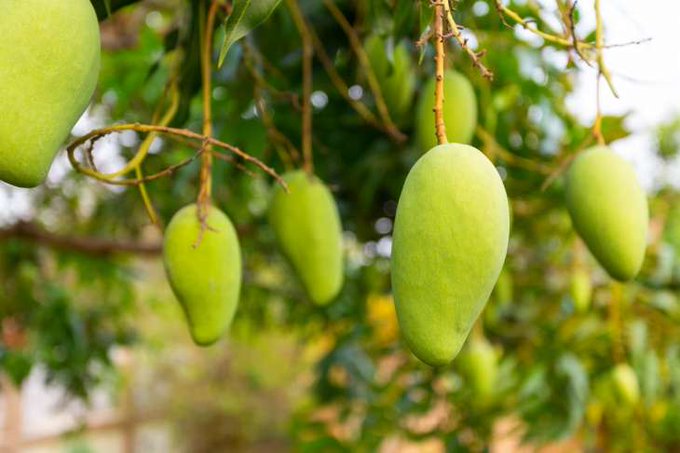
Unripen mangoes in an orchard. (Image TRH)
FSSAI has also flagged the misuse of ethephon solutions, which some Food Business Operators (FBOs) allegedly use by directly dipping fruits—a practice explicitly disallowed.
By TRH News Desk
New Delhi, April 26, 2026 — The Food Safety and Standards Authority of India (FSSAI) has intensified its crackdown on the illegal use of artificial ripening agents in fruits, responding to a surge in consumer complaints and mounting public health concerns across the country.
In a directive issued by its Regulatory Compliance Division, the food safety regulator has reiterated a strict ban on the use of calcium carbide, commonly referred to as “masala,” for ripening fruits such as mangoes, bananas, and papayas. The chemical, prohibited under the Food Safety and Standards Regulations, is known to pose serious health risks, including vomiting, difficulty in swallowing, skin ulcers, and potential neurological complications.
The move comes against the backdrop of widespread allegations from consumers and food safety activists about the rampant use of hazardous chemicals in fruit markets, especially during peak summer seasons. With demand for fruits soaring, unscrupulous traders have often resorted to quick ripening methods to accelerate supply chains, compromising safety standards.
FSSAI has also flagged the misuse of ethephon solutions, which some Food Business Operators (FBOs) allegedly use by directly dipping fruits—a practice explicitly disallowed. While ethylene gas is permitted as a safe ripening agent under controlled conditions, the regulator has emphasized that direct contact of fruits with ethylene in liquid or powder form is strictly prohibited.
Officials have now been directed to step up inspections across mandis, storage facilities, and distribution networks. The advisory calls for special enforcement drives, particularly in regions where seasonal fruits are stocked in bulk. Authorities have been empowered to initiate prosecution if banned substances like calcium carbide are found on premises or even in proximity to fruit consignments.
In a notable escalation, FSSAI has authorized enforcement officers to use strip paper tests to detect traces of acetylene gas—a byproduct of calcium carbide—in warehouses and ripening chambers. The presence of such chemicals could serve as circumstantial evidence for legal action under provisions of the Food Safety and Standards Act.
Public health experts have long warned about the dangers of chemically ripened fruits. Unlike natural ripening, which allows fruits to develop full nutritional value, artificial methods often result in uneven ripening and residual toxicity. Over time, repeated exposure to such substances can aggravate gastrointestinal disorders and may even contribute to long-term health complications.
Consumer rights groups have welcomed the move but stressed the need for sustained enforcement rather than periodic crackdowns. “This is a recurring problem every summer. Without consistent monitoring and strict penalties, these practices tend to return,” said a food safety activist based in Delhi.
FSSAI’s latest action signals a tougher regulatory stance aimed at restoring consumer trust and ensuring safer food practices across India’s vast agricultural supply chain.
Follow The Raisina Hills on WhatsApp, Instagram, YouTube, Facebook, and LinkedIn




About The Author