Pakistan Pushes for Iran-US Peace Talks with Major Outreach
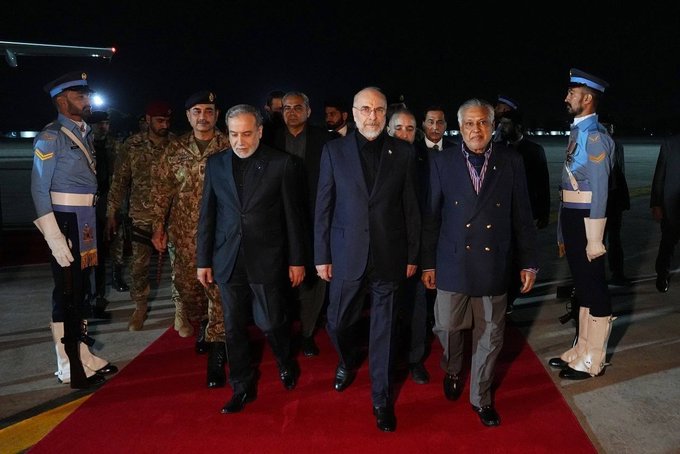
Iranian delegation arrives in Islamabad for summit. (Image X.com)
Islamabad ramps up diplomatic outreach as global leaders eye breakthrough talks amid Strait of Hormuz tensions
By TRH World Desk
New Delhi, April 14, 2026 — A fresh diplomatic push is underway as Pakistan positions itself at the center of potential Iran–US peace talks expected in the third week of April, according to emerging reports and official signals.
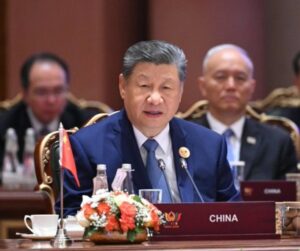
Geopolitics analyst Manish Anand said inputs from Pakistani journalist Zahid Gishkori suggest Islamabad has launched a “multi-vector diplomatic offensive” to revive stalled negotiations between Washington and Tehran. The effort includes high-level outreach by Shehbaz Sharif, who is expected to visit Saudi Arabia and engage with China as part of the initiative.
According to these reports, a high-profile summit could be in the works, with Donald Trump, Saudi Crown Prince Mohammed bin Salman, and the Iranian leadership potentially participating. While not officially confirmed, the possibility underscores the scale of diplomatic ambition behind Pakistan’s mediation bid.
The development comes at a sensitive moment in West Asia. Prime Minister Narendra Modi on Tuesday received a call from Trump, as both leaders reviewed bilateral ties and discussed the evolving situation in the region, particularly the strategic importance of the Strait of Hormuz. Ensuring the security of this crucial energy corridor remains a shared concern amid ongoing tensions.
Analysts say the proposed talks aim to provide a “face-saving exit” for the United States from the current Middle East crisis, while also addressing regional sensitivities, including Israel’s domestic political narrative. Pakistan’s diplomatic calculus appears designed to balance multiple stakeholders—Washington, Tehran, Riyadh, and Beijing—while projecting itself as a credible mediator.
Pakistan’s Mediation Track
Pakistan has previously attempted to play a bridging role between Iran and the US, though with limited success. Past backchannel engagements reportedly focused on de-escalation rather than a comprehensive agreement. Islamabad’s leverage has traditionally stemmed from its ties with Gulf monarchies and its working relationship with China, alongside a cautious engagement with Iran.
However, earlier efforts were constrained by trust deficits between Tehran and Washington, as well as competing regional interests. The current initiative appears more ambitious, involving a broader coalition of stakeholders and a more structured diplomatic roadmap.
If the proposed talks materialize, they could mark a significant shift in regional diplomacy. Yet, uncertainties remain high, with multiple actors and volatile ground realities shaping the outcome.
Follow The Raisina Hills on WhatsApp, Instagram, YouTube, Facebook, and LinkedIn




About The Author