Why Is Pakistan-Occupied Kashmir Erupting? Protests, Deaths and Election Crisis Explained
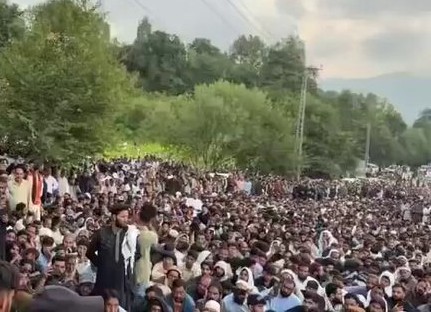
Security personnel stand guard amid protests and election-related unrest in Pakistan-occupied Kashmir. (Image X.com)
By TRH World Desk
Weeks of protests over electricity prices, economic hardship and political representation have plunged Pakistan-occupied Kashmir into a deepening crisis, disrupting regional elections and triggering a security crackdown.
New Delhi, August 11, 2026 — Pakistan-occupied Kashmir is facing one of its most serious political crises in years, with weeks of protests, deadly clashes with security forces, an internet blackout and staggered regional elections exposing growing discontent in the region.
According to an Al Jazeera report, local estimates put the death toll from the unrest at around 50, although no official figure has been released.
The crisis has also disrupted the regional election process. The third and final phase of voting began on August 10, but polling was postponed in several constituencies in the Poonch division amid security concerns and calls for a boycott.
“The unrest is rooted primarily in economic and political grievances rather than the larger India-Pakistan dispute over Kashmir,” said the Qatar-based media outlet in its commentary.
Why are people protesting?
The protests initially focused on electricity prices and the rising cost of living.
Protesters argue that the Kashmir region generates substantial hydropower for Pakistan but that local residents receive little benefit from the region’s resources. Anger subsequently widened to include demands for political reforms and greater local control over governance.
“One of the central issues is the allocation of 12 seats” in the local Legislative Assembly to refugees from India and their descendants, added the news outlet.
Protesters argue that these reserved seats give Islamabad excessive influence over the territory’s politics, said Al Jazeera, adding that “the government, however, maintains that the seats are constitutionally protected.”
The Joint Awami Action Committee, which has been at the centre of the agitation, has also opposed the elections, arguing that the political system needs reform before polling can proceed normally. The dispute has contributed to calls for an election boycott.
PoK’s unusual political status
The Pakistan-occupied Kashmir has its own constitution, legislature and prime minister. However, it is not one of Pakistan’s four provinces.
“The territory’s political structure has long been a source of debate, particularly over the extent of Islamabad’s influence,” added the Doha-based outlet.
The current unrest comes amid heightened sensitivities along the Line of Control and nearly eight decades after India’s partition.
“The situation also carries a wider regional significance. In 2019, India revoked the special constitutional status of Jammu and Kashmir under Article 370 and reorganised the former state into two Union territories,” it added.
Some analysts now argue that the latest unrest indicates that political instability along the Kashmir divide is increasingly manifesting on the Pakistan-administered side, Al Jazeera stated.
“The latest crisis has therefore moved beyond questions of electricity prices and reserved seats. It has reopened a larger debate over political representation, resource distribution, local autonomy and the unresolved future of Kashmir,” added the outlet.
Blood on the Mountains: Pakistan’s Iron Fist in Occupied Kashmir
Follow The Raisina Hills on WhatsApp, Instagram, YouTube, Facebook, and LinkedIn




About The Author