Data Center Sparks Noise, Pollution, Property Value Fears in Massachusetts Town
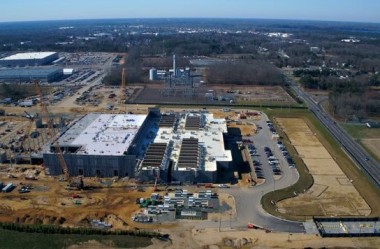
Massachusetts data centre (Image nhdot.com on X)
By TRH World Desk
Residents of Lowell, Massachusetts, told a CBS News documentary that a data center built close to their homes has disrupted their lives, raised concerns over noise, emissions, water use and property values.
New Delhi, August 19, 2026 — A data center built just feet from residential properties in Lowell, Massachusetts, has sparked concerns among local residents over noise, emissions, water use, privacy and falling property values, according to a CBS News documentary.
The documentary examined the impact of data centers on communities as demand for computing infrastructure grows amid the rapid expansion of artificial intelligence.
In Lowell, a city with a long industrial history, residents interviewed by CBS News described the data center as an unwelcome presence in their neighborhood.
One resident said the facility’s cooling systems create noise that can be heard inside nearby homes and disrupt sleep. Another resident complained about emissions from backup generators at the facility.
“It makes like a lot of noise,” one resident said, adding that the sound wakes him up in the morning.
Another resident said the noise had made it difficult for his wife to enjoy their yard. She also had to wear earmuffs while walking to the car, according to the documentary.
The proximity of the facility has also prompted some residents to consider leaving the neighbourhood.
CBS News showed several “for sale” signs and spoke with residents who said they were putting their homes on the market because of the data center.
“This isn’t what we want,” one resident said.
Residents also expressed concern that the presence of the large industrial facility could reduce the value of their properties.
One homeowner said potential buyers could look through the back windows of a house and see the data center, which could influence their decision to buy.
Another resident said the facility could affect not only home values but also the water consumed by residents.
The documentary also highlighted complaints about emissions from the facility’s backup generators and concerns about the environmental impact of data center operations. A resident living close to the facility described seeing what appeared to be emissions from stacks near the property.
The growing number of data centers has triggered wider debates in the US over their demand for electricity and water, as well as the environmental and social impact of locating large facilities close to residential communities.
Residents interviewed by CBS News also raised concerns about security cameras installed around the data center.
One resident said multiple cameras appeared to point toward her house and could potentially capture people entering or leaving the property.
Another resident, who did not appear on camera, told CBS News that she believed one of the facility’s cameras could see into her kitchen.
The company behind the data center disputed those concerns, according to CBS News. The company sent the documentary 13 letters from people who supported the facility. It also argued that Lowell has historically been an industrial community and that the data center should not be considered out of place.
The company rejected claims that residents were experiencing excessive noise and said its cameras could not see into neighbouring homes.
According to CBS News, the company said that after one resident raised concerns that a camera could see into her house, the camera was moved.
The Lowell case highlights a growing challenge facing communities across the United States: how to balance the economic and technological benefits of data centers with concerns over their impact on neighbourhoods.
As AI and cloud computing drive demand for new data centers, disputes over land use, electricity, water, noise, emissions and property values are increasingly becoming part of the debate over where these facilities should be built.
Aeroflex Enterprises: AI Data Centre Boom and the Small-Cap Contradiction Investors Must Watch
Follow The Raisina Hills on WhatsApp, Instagram, YouTube, Facebook, and LinkedIn




About The Author