Can Climate Diplomacy Survive Global Geopolitical Rivalries?

Presidents of US, Russia and Ukraine! (Images Wikipedia)
By Prof. S. S. SOMRA
Geopolitical conflicts from Ukraine to the Middle East are reshaping energy priorities and testing whether the world can sustain climate commitments amid security and economic pressures.
The Russia-Ukraine war and the Middle East geopolitical tensions have once again shifted global priorities toward security and energy crises. At a time when the United Nations Framework Convention on Climate Change (UNFCCC) and various global environmental organizations are striving to unite the world toward carbon emission reductions and green development. These circumstances then raise the question of whether the global community will be able to keep the climate agenda alive amid the politics of geopolitical conflicts.
Geopolitical tensions had the greatest impact on the global energy market. Europe, which had long relied on Russian gas and oil, suddenly faced energy insecurity due to the Russia-Ukraine war. As a result, many countries temporarily increased coal-based power generation, entered into new gas agreements, and increased their reliance on fossil fuels to secure energy supplies. This move may seem justified from the perspective of immediate economic and strategic needs, but it has dealt a blow to global carbon emissions reduction efforts. Similarly, the environment is not immune to geopolitical tensions in the Middle East. Wartime explosions, oil well fires, and chemical spills severely pollute air, water, and soil. Furthermore, deforestation and dependence on fossil fuels due to refugee crises and international sanctions are contributing to a significant increase in carbon emissions. These developments pose challenges to the entire world, but their greatest impact is being felt by developing countries, which are simultaneously grappling with the challenges of economic progress, poverty alleviation, and infrastructure expansion.
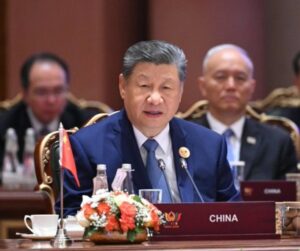
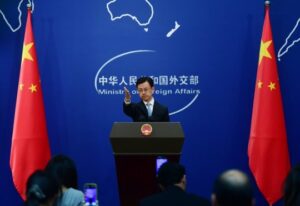
Among the world’s largest economies, the United States, Europe, and China have historically been among the largest emitters of greenhouse gases. The influence of the United States and China is not limited to their domestic policies. The environmental impact of recent American actions and China’s investments in the Belt and Road Initiative (BRI) is also a global concern. If major economies align their ambitions with the principles of green and sustainable development, they could offer a new model for environmentally friendly infrastructure construction in developing countries. Conversely, if economic expansion continues without regard for environmental standards, global climate goals could be severely compromised.
In the current geopolitical situation, competition between China and the United States is also impacting climate diplomacy. Although the two countries have differences over trade, technology, and security, climate change is an area where the need for cooperation outweighs competition. Without effective cooperation between the world’s two largest emitters, controlling global warming will be difficult. Today, humanity stands at a juncture where striking a balance between development and environmental protection has become a major challenge. Rising pollution, uncontrolled deforestation, biodiversity loss, and the severe impacts of climate change are not only affecting natural resources but also threatening human life, economy, and social stability. The need is for the United States and other major powers to attach equal importance to climate commitments along with resolving geopolitical crises. If the climate agenda takes a back seat during every geopolitical crisis, efforts to limit global warming will be reduced to mere declarations.
Follow The Raisina Hills on WhatsApp, Instagram, YouTube, Facebook, and LinkedIn




About The Author