Confucius Institutes: when “soft power” meets “sleeper cells”
China hits back at US "threat" label for Confucius Institutes
By TRH World Desk
China Rejects US Designation of Confucius Institutes as a Security Threat: What Is at Stake
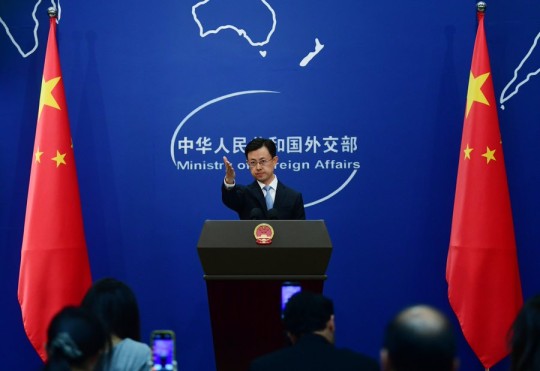
New Delhi, October 26, 2026 — On Monday, China’s Foreign Ministry rejected what it called “targeted smearing and stigmatisation” of the Confucius Institutes. The remarks, from spokesman, answered a US announcement the previous Friday that the Pentagon had designated the centres a threat to national security. The exchange shows how differently the two capitals describe the same institutions.
The Chinese spokesperson said educational exchanges and cooperation between China and the US help both peoples understand each other, benefit both sides and should not be disrupted or undermined.
US Defence Secretary Pete Hegseth framed in a video said the Defense Department had added what he called “sleeper organizations” to its list of institutions that threaten national security. He said 80 new “propaganda cells” across 30 universities had appeared under different names and charters but with the same mission, which he described as stealing intellectual property, and that the department had dismantled them within two months.
Beijing presents the institutes as language and culture centres, comparable to Germany’s Goethe-Institut or the British Council, and Xi Jinping has called them a symbol of international cooperation. The body that oversees them says hundreds have been set up in more than 150 countries.
Washington sees propaganda. Dozens of institutes have closed in countries including France, Sweden, Australia and Canada after similar concerns about foreign interference. The dispute in the US is not new. In 2020, the State Department designated the Confucius Institute US Center a Chinese “foreign mission,” when some 75 institutes were still operating.
The new claim is that closed centres reopened under new names. If accurate, it shifts the debate from whether the institutes existed to whether labelling can follow a programme wherever it goes. That raises a real question about definitions. A language class funded by a Chinese source and a lab collaboration funded by the same source are not the same thing, and a broad “threat” list risks treating them alike.
Security concerns about intellectual property and influence are legitimate, and the US has a right to protect research. Yet the Chinese side has a point that blanket stigma can chill ordinary exchange. A student of Mandarin, a Chinese-American family or a visiting scholar may be swept in by suspicion. China’s state-run Global Times argued the designation could deepen ignorance of China, an argument that Chinese officials plainly have an interest in making.
The two governments are arguing about one question: whether cultural diplomacy and influence operations can be told apart. Until universities, regulators and Beijing agree on that line, each new designation will be met with an equal and opposite statement.
Follow The Raisina Hills on WhatsApp, Instagram, YouTube, Facebook, and LinkedIn




About The Author