Zhu Rongji, Former Chinese Premier and Architect of Economic Reform, Dies at 97
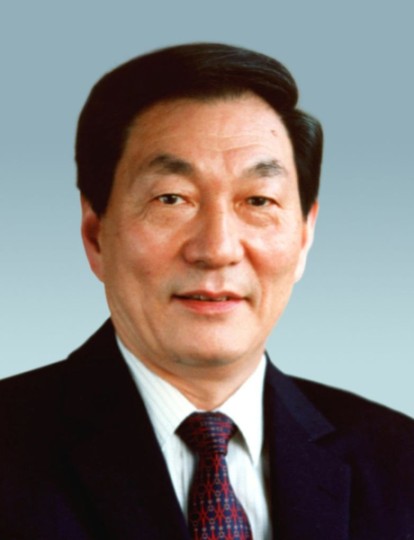
Zhu Rongji, China’s premier from 1998 to 2003 who drove state-sector reform and WTO entry, has died in Beijing. (Image People's Daily China)
By TRH World Desk
Zhu Rongji, China’s premier from 1998 to 2003 who drove state-sector reform and WTO entry, has died in Beijing. A look at his life, legacy and reforms.
New Delhi, August 12, 2026 — Zhu Rongji, the former Chinese premier whose sweeping overhaul of the country’s state-run economy and drive to bring China into the World Trade Organization reshaped the nation’s rise as a global economic power, has died in Beijing. He was 97.
State news agency Xinhua reported that Zhu died Wednesday morning of an unspecified illness after medical treatment failed. He served as China’s premier, the country’s top economic post, from 1998 to 2003, after rising through the ranks as Shanghai’s mayor and party chief and later as vice premier overseeing the economy from the early 1990s.
A Tough-Talking Reformer
Zhu earned a reputation as a blunt, hard-driving technocrat willing to take on entrenched interests. Hong Kong’s South China Morning Post described him as the architect of one of the greatest economic reforms in human history, crediting him with tackling corruption, overhauling China’s centrally planned economy and restructuring its state-owned enterprise sector.
His overhaul of loss-making state industries came at enormous human cost, forcing tens of millions of workers into unemployment as Beijing pushed firms toward efficiency and profitability. That upheaval, combined with his sharp tongue, earned him nicknames translating roughly to “Boss” and “Madman Zhu.”
Steering China Into the WTO
Zhu is most widely remembered as the chief negotiator behind China’s 2001 entry into the World Trade Organization, a turning point that opened the country to international trade and investment. The SCMP noted he was the mastermind behind negotiations for China’s WTO entry, which ushered in major changes across the Chinese economy and helped it become the world’s largest exporter within a decade.
He is also credited with steering China through the 1997 Asian financial crisis and ensuring a smooth handover of Hong Kong to Chinese rule that same year, according to the SCMP.
‘The Idea of China’: Xu Guoqi’s New History Asks Who Gets to Define Chineseness
The ruling Communist Party’s official obituary praised Zhu’s role in guiding the country through a pivotal economic transition, describing it as a period when China was moving “transitioning from a planned economy to a socialist market economy.” The tribute also highlighted his insistence that officials remain accountable to the public, stating that Zhu emphasized officials must see themselves as public servants who speak honestly and avoid special privileges.
Zhu largely withdrew from public life after leaving the premiership in 2003, making only rare appearances in subsequent years, including at a 2017 Communist Party Congress session. He is survived by his wife and their two children.
Economists and analysts widely regard Zhu’s tenure as a defining chapter in China’s transformation from a centrally planned system into a market-oriented economy that would go on to overtake Japan as the world’s second-largest economy in 2010. His reforms, while contentious at the time, are now viewed by many historians as having laid the institutional groundwork for China’s decades of rapid growth.
China’s New Exit-Entry Rules: Hermit Kingdom or Legal Housekeeping?
Follow The Raisina Hills on WhatsApp, Instagram, YouTube, Facebook, and LinkedIn




About The Author




A very balanced and impartial Obit piece