Kharg Island explained: why the US plan will make Iran smile
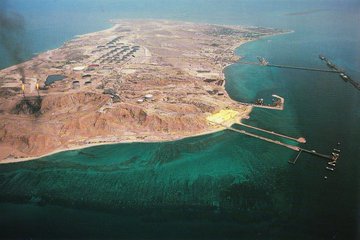
US President Donald Trump announced bombing Kharg Island in Iran (Image X.com)
The Trump administration is weighing occupation or blockade of Iran’s primary crude export hub — a full strategic analysis of what happens next
By TRH World Desk
New Delhi, March 21, 2026 — The Trump administration is actively considering plans to occupy or blockade Kharg Island — Iran’s primary oil export terminal, through which approximately 90 per cent of the country’s crude exports flow — as a mechanism to pressure Tehran into reopening the Strait of Hormuz, according to Axios.
The option, if executed, would represent the most dramatic escalation of direct US military action against Iranian economic infrastructure since the war began. It would also, according to former White House official Ilan Goldenberg, almost certainly make things worse.
“The US could take Kharg but it won’t end the war,” Goldenberg wrote on X, adding: “It will spike oil prices and pull us in deeper. It’s a disastrous option.”
Goldenberg’s argument is structural, not emotional. Seizing Kharg presents Iran with exactly two choices: make major concessions to recover the island and resume oil exports, or escalate aggressively by targeting energy infrastructure across the Gulf region. The question, he argues, is which option Iran is more likely to take — and the answer is visible in the pattern of behaviour already established in this conflict.
“Now look at how Trump has behaved whenever oil infrastructure is at stake,” Goldenberg wrote. The pattern he identifies is consistent: the US quickly distanced itself from Israeli strikes on oil terminals in Tehran; Trump threw Israel under the bus after South Pars attacks led to Iranian retaliation and extensive damage to Qatar’s LNG facilities; sanctions on Russia were loosened to keep oil flowing; and Iranian oil sanctions have already been partially eased through General License U. “The pattern is clear and it’s likely how the Iranians will view it: Trump is deeply sensitive to oil prices and when faced with threats to oil prices he backs down.”
A US seizure of Kharg would cause an immediate oil price surge. Iran, reading Trump’s established sensitivity to that number, would have every rational incentive to respond not with concessions but with a wider missile and drone campaign targeting Gulf energy infrastructure — precisely to drive prices higher, increase political pressure on Washington, and wait for the administration to seek an off-ramp.
The durability question compounds the strategic problem. Iran has already absorbed leadership targeting, naval degradation, and strikes on its nuclear and missile programmes. It is still fighting. “What evidence is there that taking Kharg is the silver bullet that suddenly changes their calculus?” Goldenberg asked. He offered none, because none exists.
The Axios report lands at a moment of acute strategic contradiction for the administration. Washington issued General License U on March 20 — authorising the global sale of 140 million barrels of stranded Iranian crude, including potential US imports, for the first time since 1996 — while simultaneously conducting Operation Epic Fury strikes on Iranian energy infrastructure. Now it is reportedly considering seizing the island from which that oil flows.
The through-line of US policy in this conflict has been improvisation under oil price pressure. Kharg would not resolve that pressure. In Goldenberg’s assessment, it would multiply it — across every Gulf energy hub simultaneously.
“Better to look for an off-ramp if one exists,” he concluded.
Whether one does — and whether the administration has the appetite to take it — is the question that Kharg cannot answer with force.
Follow The Raisina Hills on WhatsApp, Instagram, YouTube, Facebook, and LinkedIn




About The Author