Taylor Swift Files Voice Trademarks to Fight AI Deepfakes
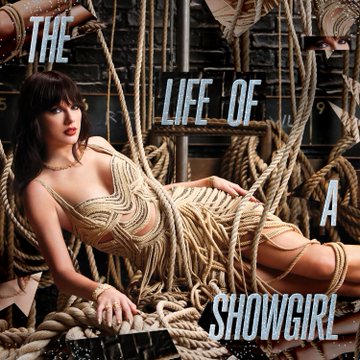
Pop star Taylor Swift in her latest album The Life of a Showgirl ((Image credit X.com)
Pop superstar becomes latest celebrity to use trademark law as a shield against deepfakes and AI voice cloning
By TRH Entertainment Desk
April 28, 2026 — Taylor Swift has taken an unprecedented legal step to protect her identity in the age of artificial intelligence, filing three trademark applications with the U.S. Patent and Trademark Office on April 24, 2026.
Two of the filings are “sound marks” — a lesser-known category of trademark protection — specifically designed to protect Swift from threats posed by AI. In one recording, she says: “Hey, it’s Taylor Swift, and you can listen to my new album, ‘The Life of a Showgirl,’ on demand on Amazon Music Unlimited.” The second captures her voice in a lower register promoting the same album ahead of its release.
A third application is a visual trademark covering a photograph of Swift holding a pink guitar with a black strap, wearing a multicoloured iridescent bodysuit and silver boots — an image closely associated with her recent performances.
The filings were first spotted by intellectual property attorney Josh Gerben of Gerben IP, who noted the legal significance of the move. “Attempting to register a celebrity’s spoken voice is a new use of trademark registration that has not been tested in court before,” Gerben wrote, adding that AI technologies now allow users to generate entirely new content that mimics an artist’s voice without copying an existing recording, “creating a gap that trademarks may help fill.”
Crucially, trademark law doesn’t just stop identical uses the way copyright law does — it stops anything “confusingly similar” to the registered trademark, making it a broader and more powerful tool in an AI-driven world.
Swift follows actor Matthew McConaughey, who launched a similar legal strategy in recent months. The “trademark yourself” approach has not yet been fully tested in court with respect to AI, but in theory it could allow artists to issue takedown claims against AI platforms in much the same way studios enforce copyright over characters.
AI experts suggest individual voice trademarks from celebrities like Swift could become increasingly common as stars seek stronger legal standing to sue if their likenesses are replicated without permission. Representatives for Swift did not immediately respond to requests for comment.
Follow The Raisina Hills on WhatsApp, Instagram, YouTube, Facebook, and LinkedIn




About The Author