Iran’s Diplomatic Push Intensifies as Araghchi Works the Phones on Hormuz
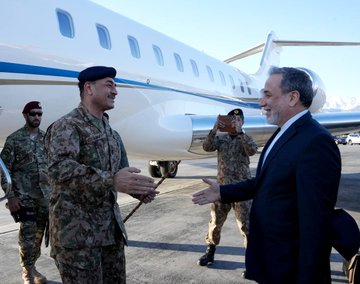
Pakistani Army Chief Asim Munir in Tehran (Image Aragachi on X)
By TRH World Desk
A flurry of calls between Iran, Pakistan, and Qatar signals renewed urgency behind Strait of Hormuz diplomacy — even as the deadline that was supposed to force a deal has already quietly expired.
New Delhi, August 26, 2026 — Iranian Foreign Minister Abbas Araghchi has intensified a round of regional diplomacy this week, holding separate phone calls with Pakistan’s army chief and Qatar’s top diplomat as mediators scramble to revive a Strait of Hormuz framework that stalled after the collapse of a key negotiating deadline.
TRT World reported that Araghchi held separate telephone conversations with Pakistan’s Chief of Defence Forces, Field Marshal Asim Munir, and Qatari Prime Minister and Foreign Minister Mohammed bin Abdulrahman Al Thani, according to Iran’s Foreign Ministry. In the call with Munir, Iran’s Foreign Ministry said both sides “underscored the need to continue consultations and joint efforts to promote peace and security in the region.” Iran’s IRNA news agency reported the two men “reviewed latest regional developments, discussed various aspects of current situation” and exchanged views on diplomatic trends — and noted this marked the second Araghchi-Munir phone contact in less than a week.
Middle East Eye separately confirmed Araghchi pressed for further consultations and joint efforts to establish peace and security in the region in his call with Munir, while also speaking with Al Thani.
TRT World reported Al Thani and Araghchi reviewed the latest developments, particularly talks between Oman and Iran on establishing a temporary joint shipping corridor through the Strait of Hormuz alongside a joint mine-clearance project, with Al Thani stressing Qatar’s “full support for diplomatic efforts” toward a solution guaranteeing freedom of navigation.
While the Pakistan and Qatar calls dominated headlines, the more concrete development this week came from a separate channel. TRT World reported that Oman and Iran announced a proposed framework earlier the same day for a temporary joint shipping corridor and mine-clearing operation in the Strait, following an in-person meeting in Tehran between Omani Foreign Minister Badr Albusaidi and Araghchi — with Albusaidi’s visit reported by Iran’s state-run IRNA news agency.
That framework matters because it addresses the two issues mediators say have kept the Strait effectively closed to normal traffic: unresolved mine threats and disputed navigation guarantees. The broader mediation effort noted that measures guaranteeing freedom of navigation, reducing threats against commercial vessels, or creating communication mechanisms to prevent incidents at sea could prove easier to negotiate than the more divisive nuclear and security questions still separating Washington and Tehran.
The phone diplomacy this week is running in parallel with something more consequential: Pakistan’s army chief is once again traveling to Tehran in person. Al Jazeera reported Munir’s latest visit comes as the diplomatic track underpinning the Islamabad Memorandum of Understanding has all but stalled, while Washington prepares a new round of sanctions, and that the trip also coincides with this month’s Mecca Joint Defence Agreement between Pakistan, Saudi Arabia, and Turkiye — a summit Munir also attended.
Marjorie Taylor Greene Alleges Nuclear Strike on Iran Being Discussed in U.S. Strategy Meetings
Middle East Monitor, citing unnamed sources, reported the new proposals Munir is carrying to Tehran focus on reopening the Strait of Hormuz and reviving long-stalled direct talks between Washington and Tehran, with Pakistan, Qatar, and other regional partners having drawn up the fresh proposals following recent contacts with Washington. That same reporting noted the sources did not disclose further detail on what those proposals actually contain.
Al Jazeera’s analysis quoted a regional expert distinguishing between the two mediators’ roles: Qatar, the source said, is “leading the political mediation and remains the essential communication bridge between Washington and Tehran,” while Pakistan’s contribution is narrower — a military-to-military channel into an Iranian security establishment where the IRGC has grown increasingly influential over decisions on war and peace.
This diplomatic flurry isn’t happening in a vacuum. Middle East Monitor reported the push comes after a 60-day deadline under the Islamabad MoU — signed June 17 to formalize a framework toward a final US-Iran agreement — expired last week without resolution, with talks having stalled specifically over disagreements on security guarantees and freedom of navigation through Hormuz. That same reporting noted the two countries fought a direct military exchange between July 8 and July 24, with Washington striking targets inside Iran and Tehran responding by hitting US military facilities in Jordan, Bahrain, and Kuwait — meaning the current phase, however tense, at least represents a step back from active strikes.
The diplomatic push is unfolding as US Treasury Secretary Scott Bessent has threatened what he called the “toughest sanctions in history” against Iran, while urging China — which buys more than 80% of Iran’s shipped oil, per 2025 data from analytics firm Kpler — to cooperate with Washington’s pressure campaign.
Analysts remain divided on whether this round of shuttle diplomacy will produce a breakthrough. Al Jazeera reported some analysts believe Munir’s visit could help finalize the emerging Iran-Oman agreement on jointly managing the Strait, while a Middle East-based security analyst cited by the outlet was more cautious about how much the visit alone could realistically deliver. With Oman’s Foreign Minister having already met Araghchi in person this week and reportedly scheduled for further engagement, and Munir now in Tehran carrying fresh proposals from Pakistan and Qatar, the coming days are likely to show whether this diplomatic intensity translates into an actual reopening of one of the world’s most critical oil-shipping corridors — or simply another round of consultations without resolution.
Iran Just Showed It Can Knock a British Power Plant Offline — and Hit US Also
Follow The Raisina Hills on WhatsApp, Instagram, YouTube, Facebook, and LinkedIn




About The Author