South Pars gas field: Trump’s threat, the denial that didn’t hold

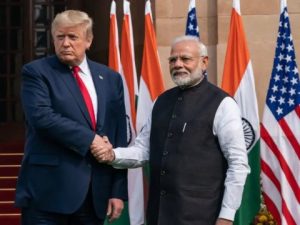
US President Donald Trump addresses a press conference after military attacks on Venezuela. (Image White House on X)
QatarEnergy halts LNG deliveries to Asia and Europe under force majeure, Saudi Arabia warns Tehran of “dire implications,” and Iran says there will be no ceasefire until its objectives are met
By TRH World Desk
New Delhi, March 19, 2026 — Donald Trump took to Truth Social on Thursday to warn Iran that the United States would “massively blow up the entirety of the South Pars Gas Field at an amount of strength and power that Iran has never seen or witnessed before” if Qatar’s LNG facilities were struck again. He called Israel’s earlier attack on South Pars an act of anger, said the US “knew nothing” about it, and framed Iran’s retaliation against Qatar as unjustified and uninformed.
Within hours, that account had collapsed.
Senior Israeli and American officials told journalist Barak Ravid that the United States had prior knowledge of the Israeli strike on South Pars and had approved it — specifically as a mechanism to pressure Tehran. Iran, unaware of Washington’s role, retaliated against what it believed was a purely Israeli provocation. The target was Ras Laffan, Qatar’s vast LNG export hub and the source of roughly 20 per cent of the world’s liquefied natural gas supply. Trump, facing the consequences of a covert policy he had publicly disowned, changed course.
The diplomatic picture is no less volatile. Iran has now rejected US ceasefire requests three times in a single day. The third message, delivered through a regional intermediary, was accompanied by a threat to escalate targeted assassinations inside Iran if Tehran did not comply. Iran’s response was unchanged: no ceasefire until its objectives are achieved.
QatarEnergy has declared force majeure on all LNG shipments, suspending contractual delivery obligations to customers across Asia and Europe — the clearest signal yet that the energy disruption from this conflict is no longer a market risk to be priced in but a supply reality to be managed.
Saudi Arabia has also entered the frame. Al Jazeera’s Ali Hashem reported that Riyadh has issued an advanced warning to Tehran that “whatever comes next will have dire implications” — a signal that Gulf states, long cautious about taking sides, may be moving toward active alignment against Iran. Analysts described the Saudi warning as a turning point in Gulf relations.
The Strait of Hormuz remains closed. An American aircraft carrier is sidelined for repairs. A US defence supplemental of up to $200 billion is under discussion in Washington.
Trump’s Truth Social post ended with a carefully worded qualifier — “I do not want to authorize this level of violence and destruction because of the long term implications it will have on the future of Iran.” The caveat is notable. So is what preceded it: a public threat to destroy the world’s largest natural gas reservoir, issued by a president whose administration quietly set the events in motion and then denied doing so.
Ras Laffan attack: what Iran’s strike on Qatar’s LNG hub means
Follow The Raisina Hills on WhatsApp, Instagram, YouTube, Facebook, and LinkedIn




About The Author