Trump Overcapacity Tariffs: How China, India, EU Reacted
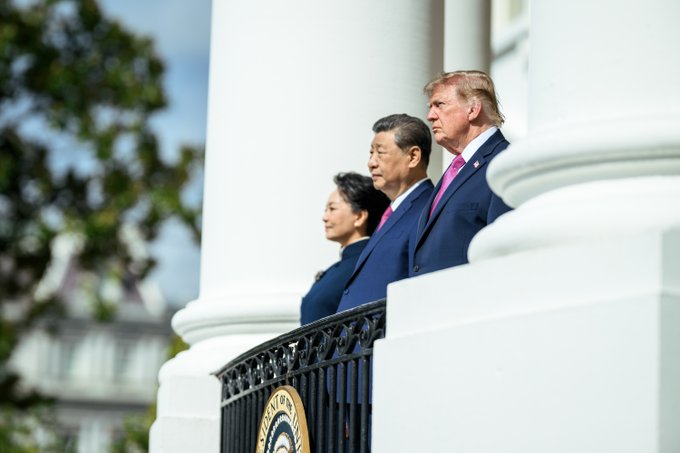
Wigs and tri-corner hats in the Rose Garden, a B-2 flyover, a personal airport greeting — Trump matched Xi’s Beijing spectacle move for move. (Image White House)
By S. JHA
World Reacts to Trump’s Overcapacity Tariff Plan: China, India, Japan and EU Respond
Mumbai, November 28, 2026 — Washington’s new tariff plan is proposed, not final, but the world has already answered it in three different tones: defiance from Beijing, rejection mixed with negotiation from New Delhi, and protest from allies who point to deals they signed last year.
On Wednesday, the US Trade Representative proposed tariffs on 14 trading partners, 12 countries plus the EU and Taiwan, after an eight-month Section 301 investigation launched in March into what it calls structural excess industrial capacity.
The probe followed the Supreme Court’s February ruling striking down most of President Trump’s sweeping global tariffs, so it reads as a legal route back to the same destination. China faces a 20 per cent tariff that could double to 40 per cent if the US finds it is not engaging adequately, Japan faces up to 15 per cent and the EU could face 15 per cent. Rates for India, Vietnam and others vary by report. The 14 economies together make up roughly half the global economy.
China: defiant but measured
Foreign Ministry spokesman Guo Jiakun called “overcapacity” a “false issue” and said Beijing opposes it being used as a “pretext for political manoeuvring.” The Commerce Ministry said it reserves the right to take necessary measures. Yet a senior US official told reporters Washington did not expect retaliation because it seeks stability with China.
The two countries have extended a trade truce to January 10, 2027, and agreed tariff cuts on about $60 billion of non-sensitive goods. Beijing’s anger is real, but it has reasons not to blow up the truce.
India: reject the label, protect the deal
The Commerce Ministry said the USTR notice was under examination and that India does not have structural excess capacity in any sector. It said any concerns should be handled in the Bilateral Trade Agreement negotiations.
The proposal sets tariffs of up to 25 per cent on Indian goods, net of existing Section 301 duties, falling to 17 per cent if a deal is signed. Commerce Secretary Rajesh Agrawal said last week the first tranche was nearing conclusion but signing depended on Washington’s tariff framework.
Observers termed the probes the reciprocal-tariff regime under a new name, designed to push partners into one-sided deals. India is thus rejecting the premise while keeping the door open, because a 17 per cent route exists.
Allies: protest and precedent
Japan’s Chief Cabinet Secretary Minoru Kihara said Tokyo has no nonmarket policies or structural excess capacity and has protested to Washington. The European Commission said any measures must respect the 15 per cent ceiling agreed earlier and argued Europe is among those most exposed to overcapacity.
Switzerland also rejected the allegations. Vietnam took the opposite approach, saying it is working to conclude a trade pact and would address the overcapacity issue, Al Jazeera reported.
What the pattern shows
A rebranding: The legal tool has changed, and the objective of using tariffs as leverage remains.
Deals as shields: Countries with pacts cite them, and those without are negotiating.
Retaliation is restrained: Nobody has announced counter-tariffs yet.
The price tag: US Democrats and some analysts warn that tariffs on industrial inputs such as steel, solar panels and batteries raise costs for American manufacturers.
What to watch: The comment period and hearings, which could change rates; the January 10 truce deadline with China; whether India signs the first BTA tranche; and whether the EU and Japan treat their earlier deals as binding limits.
Trump’s Russian Oil Tariff Order: How India’s Exemption Changes the Picture
Follow The Raisina Hills on WhatsApp, Instagram, YouTube, Facebook, and LinkedIn




About The Author