HEG Shares List Today After Demerger: What It Means for Investors and the Road Ahead
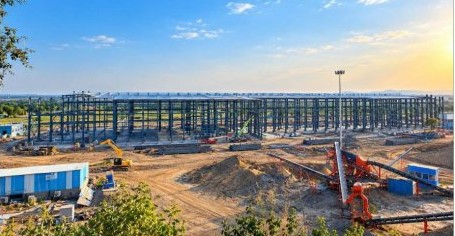
HEG’s graphite-electrode business begins trading as a separate listed company on November 27, 2026. (Image X.com)
By S. JHA
The separate listing gives investors direct exposure to HEG’s graphite-electrode business, but a sustained recovery will depend on global steel demand, electrode pricing and the company’s ability to improve margins.
Mumbai, November 27, 2026 — HEG Ltd, formerly known as HEG Graphite Ltd, is set to make its stock-market debut on Friday, completing the demerger of the graphite-electrode business from the erstwhile HEG Ltd, now renamed HEG Advanced Materials Ltd.
The restructuring creates two separately listed businesses with different investment propositions. HEG Ltd houses the established graphite-electrode manufacturing operations, while HEG Advanced Materials retains the advanced-materials, battery-energy solutions and green-power businesses, following the amalgamation of Bhilwara Energy Ltd.
For eligible shareholders, the entitlement ratio was one share of the new HEG Ltd for every one share held in the erstwhile HEG Ltd on the September 7, 2026 record date. Investors therefore retain their shares in HEG Advanced Materials and receive a separate holding in the graphite business.
What does the listing mean for investors?
The biggest benefit is greater business clarity. Earlier, investors were valuing a company combining a mature graphite-electrode operation with newer, capital-intensive businesses in battery materials, energy storage and renewable power. The demerger allows the market to assess the two businesses independently.
The graphite business can now be valued on its manufacturing capacity, export exposure, electrode prices, operating margins and cash generation. HEG Advanced Materials, meanwhile, can be assessed on its anode-materials expansion, battery-storage operations and power assets.
This separation also gives each company greater flexibility in capital allocation, fundraising and strategic partnerships. However, a demerger does not itself create operating profits or guarantee that the combined market value of the two companies will rise.
The new shares are scheduled to trade under the HEGRAPHITE symbol. Exchange notices indicate that the stock will initially be placed in the trade-for-trade segment for 10 trading days. This means investors should pay attention to settlement restrictions and the possibility of volatility during the initial price-discovery period.
The graphite-electrode opportunity
HEG’s core business is closely linked to the global steel industry, particularly the expansion of electric arc furnace (EAF) steelmaking. Graphite electrodes are essential consumables in EAFs, which melt scrap steel using electricity. The gradual shift towards EAF production, supported by decarbonisation goals and investment in steelmaking capacity, offers a structural demand opportunity.
HEG has an existing graphite-electrode capacity of around 100,000 tonnes and has outlined an expansion to 115,000 tonnes. The company also has a strategic investment in US-based GrafTech, giving it an additional link to the global graphite-electrode industry.
Industry research has pointed to the prospect of improved electrode pricing as supply rationalisation and new EAF capacity influence the demand-supply balance. GrafTech’s announced capacity reduction in Mexico has also drawn attention to the possibility of tighter global supply. If price increases are sustained and higher-priced contracts progressively enter the order book, HEG could see an improvement in realisations and profitability.
But the recovery is not assured
The graphite-electrode industry remains highly cyclical. Global steel production, capacity utilisation at steel plants and the pace of EAF adoption directly influence demand. Weak steel output in major markets can delay order flows and limit pricing power.
Chinese steel exports and the country’s large industrial capacity remain important competitive pressures. Any aggressive pricing by producers seeking to protect market share could restrict the ability of Indian manufacturers to pass on higher costs.
Needle coke, a key raw material, is another risk. Its prices are linked to the broader petroleum and carbon-materials markets. Higher input costs, energy expenses, freight charges and currency movements can erode margins even when selling prices rise. HEG’s export exposure also leaves it vulnerable to geopolitical disruptions, shipping delays and changes in trade policy.
The company must also execute its planned capacity expansion without cost overruns or delays. Additional capacity will create value only if demand and pricing justify the investment.
What should investors watch next?
The first listing session will provide an initial market valuation, not a definitive assessment of the company’s long-term worth. Investors should avoid treating the opening price as proof that the demerger has created or destroyed value. The more meaningful indicators will be quarterly revenue, capacity utilisation, electrode realisations, EBITDA margins, order visibility, working-capital requirements and progress on capacity expansion.
The outlook for HEG is therefore a combination of a potential cyclical recovery and a longer-term structural opportunity arising from the growth of EAF steelmaking. But the stock’s performance will ultimately depend on whether stronger demand and better pricing translate into sustainable earnings.
For investors, the demerger has made the business easier to analyse. It has not removed the industry’s risks. The next few quarters will show whether HEG can turn its pure-play status and global manufacturing position into a durable earnings recovery.
(Disclaimer: This article is only for informational purposes, and no investment advice is here made.)
US Inflation Data and Gold, Silver Prices: What the Hot PCE Report Means for Commodities
Follow The Raisina Hills on WhatsApp, Instagram, YouTube, Facebook, and LinkedIn




About The Author