US Inflation Data and Gold, Silver Prices: What the Hot PCE Report Means for Commodities
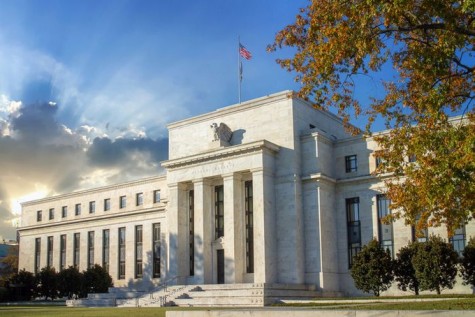
Will the US Federal Reserve stay on pause mode on rate or hike?
By S. JHA
US inflation data and the metals rebound: what the PCE report means for commodities
Mumbai, November 26, 2026 — The October Personal Consumption Expenditures (PCE) report, released Wednesday at 8:30 a.m. ET, came in hotter than forecast. Headline PCE rose 3.8 per cent from a year earlier, and core PCE, which excludes food and energy, rose to 3.3 per cent from 3.1 per cent in September, above the 3.2 per cent economists expected, the highest in nearly three years. Both measures rose 0.3 per cent on the month. Third-quarter GDP was also revised up to 4.3 per cent, from an expected 3.4 per cent.
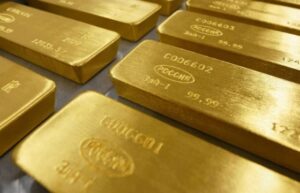
The rebound in gold and silver was real but short-lived. Gold rose about 2 per cent on Monday to near $3,620, and silver climbed above $42, after a historic weekly plunge, as traders trimmed December hike bets. By Wednesday, it had reversed. USAGOLD reported gold broke below $3,500 and silver fell nearly 4 per cent as a tech-led liquidation wave met the hot inflation print.
Ahead of the inflation data release last night, gold and silver went further down. But they staged recovery latter to erase losses of the day.
Why a hot print hurts non-yielding metals
Rate expectations: Traders now price roughly a 92 to 98 per cent chance of a quarter-point Fed hike at the December 8 to 9 meeting. That would lift the benchmark rate to a range of 4 to 4.25 per cent. The November 18 Fed minutes showed nearly all officials expected more increases, and two discussed a larger December move.
Opportunity cost: Gold and silver pay no interest, so higher expected rates and a firmer dollar make them less attractive.
Liquidation: USAGOLD said stock and AI-related selling pushed investors to raise cash by selling metals.
The ratio: The gold-silver ratio jumped from about 85 to 88, as silver fell harder, which shows its extra sensitivity.
What it means across commodities
Precious metals: The tone is bearish in the short term. The next test is whether the December Fed move is fully priced in. Silver may stay more volatile than gold, though the Silver Institute still projects a sixth annual supply deficit of about 35 million ounces.
Industrial metals: Strong GDP supports copper and other base metals through demand, but a hawkish Fed and strong dollar weigh on them. These forces pull in opposite directions, so expect choppy trading instead of a clear trend.
Energy: Kitco noted Libya’s Sharara pipeline reopening improved supply expectations, which could moderate energy-driven inflation, while Iran’s Guards claimed tankers struck mines in the Gulf. Oil is therefore both an inflation input and a geopolitical risk.
Dollar channel: A stronger dollar tends to pressure dollar-priced commodities broadly.
The politics around the Fed
Treasury Secretary Scott Bessent has warned the Fed risks damaging the economy by tightening too aggressively, and investor Bill Ackman has warned another hike could risk recession. BeInCrypto said economic adviser Kevin Hassett called the data a “Goldilocks” economy. Strong growth with sticky inflation is exactly what keeps the Fed hiking.
Three scenarios
Base case: The Fed hikes as expected, and metals stay range-bound while markets look to the 2027 path.
Dovish surprise: Softer jobs data or a more cautious Fed leads to a relief rally in gold and silver.
Hawkish surprise: A larger hike or a signal of more increases sends prices lower again.
What to watch
The November jobs report on December 4, the Fed decision on December 9, the dollar and 10-year yields, and equity-market liquidation.
Key takeaways:
October core PCE hit 3.3 per cent, above forecasts, and headline PCE hit 3.8 per cent.
Gold and silver’s Monday-Tuesday rebound reversed on Wednesday, with gold under $3,500.
A December hike looks almost fully priced in.
Commodities face mixed signals: strong growth against tighter policy.
The next two weeks of data will decide direction.
(Disclaimer: This article is only for informational purposes. No investment advice is here offered.)
Gold Price Fall and Gold Loans: What It Means for Borrowers and Lenders
Follow The Raisina Hills on WhatsApp, Instagram, YouTube, Facebook, and LinkedIn




About The Author