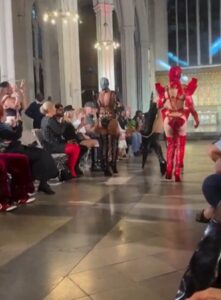
Paris Fashion Week 2026: Dior’s Botanical Romance Meets Chanel’s Reinvented Tweed and Louis Vuitton’s Fluid Futurism
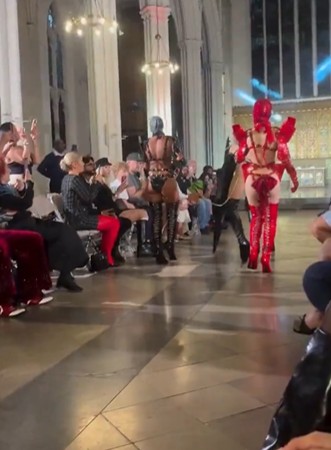
The Spring/Summer 2027 collections combine botanical inspiration, statement skirts, metallic glamour and fluid silhouettes as leading fashion houses rethink luxury. (Image video grab)
By TRH Entertainment Desk
Spring/Summer 2027 collections spotlight creative change, nature-inspired details, metallic glamour and a growing emphasis on comfort and movement.
Mumbai, October 9, 2026 — Paris Fashion Week concluded on October 6, bringing the Spring/Summer 2027 womenswear season to a close with a mix of new creative directions, heritage reinterpretations and a renewed focus on fluid, wearable luxury.
Held from September 28 to October 6, the event featured 68 runway shows and 34 presentations. The season brought fresh leadership to Courrèges and Carven, welcomed back established labels and placed the spotlight on how major fashion houses are adapting their identities to changing tastes.
Designer debuts were among the season’s important storylines. Drew Henry presented his first collection for Courrèges, while Kai Nesselrath made his debut at Carven. Valentino returned to the Paris calendar after presenting its previous collection in Rome, while Balmain continued under Antonin Tron, who presented his second collection for the house.
Alaïa adopted a different format following Pieter Mulier’s departure for Versace. Rather than staging a conventional runway show, the house presented work developed by its in-house design studio, offering a glimpse of its next chapter as it awaited the appointment of a new creative director.
The week also reflected the increasingly international character of Paris fashion, with labels from different markets bringing their perspectives to the French capital.
Dior finds inspiration in nature
Jonathan Anderson’s collection for Dior emerged as one of the season’s prominent talking points. Presented at the Tuileries, the collection explored the delicacy and asymmetry of nature through featherlight tailoring, transparent layers and carefully chosen accessories.
Dangling pearls, petal-shaped earrings, floral scarves and gardening-inspired clogs added a whimsical quality to the designs. The collection suggested a softer approach to Dior, balancing the house’s established codes with Anderson’s interest in unexpected combinations and contemporary styling.
At Saint Laurent, Anthony Vaccarello explored gold as a recurring visual theme, using metallic tones to examine light, repetition and transformation. The collection’s shine reflected a broader return of glamour across the runways.
Dries Van Noten offered another interpretation of evening elegance. Designer Julian Klausner used tight gloves, glittering brooches and statement necklaces to bring decorative richness to the collection.
At the more experimental end of the spectrum, Matières Fécales titled its collection “The 99 Percent”, following the previous season’s “The One Percent”. Models appeared with unblinking eyes painted on their eyelids, reinforcing the label’s provocative approach to fashion presentation.
Netflix’s Journey: From DVD Mailers to $300B Streaming Titan
The statement skirt and the return of glamour
Early trend assessments identified the statement skirt as a key Spring/Summer 2027 item, with Balenciaga among the houses drawing attention to the silhouette. Across the collections, designers combined expressive shapes and decorative details with lighter materials and more flexible styling.
The emphasis on glamour did not necessarily mean a return to restrictive dressing. Instead, the season suggested that embellishment, transparency and metallic finishes could coexist with comfort and movement.
Chanel and Louis Vuitton close the season
The final day brought two of the biggest names in luxury fashion into focus.
At Chanel, Matthieu Blazy reinterpreted the house’s heritage through flexible, smocked tweed suits, combining familiar design codes with the ease associated with sportswear. The collection explored how Gabrielle Chanel’s legacy could be adapted for contemporary wardrobes without losing its distinctive identity.
Louis Vuitton closed the week with Nicolas Ghesquière’s Spring/Summer 2027 collection, which emphasised fluidity, lightweight construction and freedom of movement. Slinky dresses, fluid jackets, sheer fabrics, pastel tones and wide-slit trousers reflected a response to warmer conditions and changing expectations of everyday luxury.
The presentation also incorporated futuristic elements, including a dramatic setting featuring hovering concept cars, contrasting with the collection’s softer silhouettes. The result brought together technical experimentation and practical considerations about how clothing moves with the body.
Taken together, the closing shows reinforced a central theme of Paris Fashion Week: luxury fashion is reworking its traditional signatures rather than abandoning them. Tweed, metallic finishes, intricate accessories and experimental shapes remain important, but designers are increasingly pairing them with lighter fabrics, versatility and ease.
The Spring/Summer 2027 season ultimately delivered a varied picture of contemporary fashion, shaped by new creative leadership, nature-inspired craftsmanship, unapologetic glamour and a growing demand for clothing that combines visual impact with wearability.
CAG’s Entertainment Sector Audit: A Bureaucratic Hygiene-closing
Follow The Raisina Hills on WhatsApp, Instagram, YouTube, Facebook, and LinkedIn




About The Author