Pakistan Deploys Troops to Saudi Arabia Under the Mecca Defence Pact: What It Means
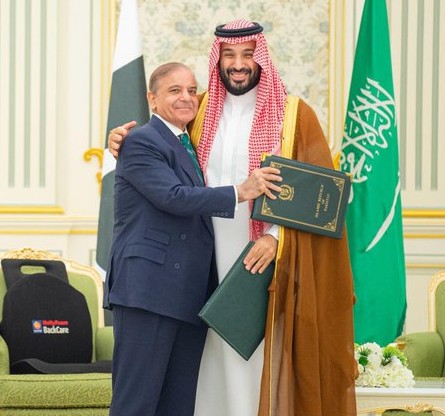
Saudi Arabia and Pakistan signed a Strategic Mutual Defense Agreement (Image X.com)
By TRH World Desk
Pakistan sent army troops to Saudi Arabia after a Mecca alliance meeting in Islamabad amid Houthi attacks. The pact, the history and the risks with Iran.
New Delhi, November 29, 2026 — Pakistan has moved from signing defence pacts to sending soldiers. The army said on Sunday it sent troops to Saudi Arabia on Saturday, a day after a high-level meeting of the Mecca Alliance for Defence in Islamabad. Pakistan Today described it as another contingent, following earlier deployments this year. The size and composition of the force have not been disclosed.
The Inter-Services Public Relations (ISPR), per media reports, said the troops will strengthen the kingdom’s defensive capabilities amid emerging security concerns, adding that the ceremony underscored the “enduring bonds of brotherhood, mutual trust and strategic cooperation” between the two countries. Defence Minister Khawaja Asif attended the send-off along with Saudi Ambassador Rajeh Albugami. SANA reported Pakistan reaffirmed support for Saudi sovereignty and the “sanctity of the Two Holy Mosques.” The three countries also issued a joint statement condemning Houthi attacks on Saudi civilians and infrastructure.
Two agreements sit behind the move. Pakistan and Saudi Arabia signed a Strategic Mutual Defence Agreement on September 17, 2025, treating aggression against one as aggression against both. The Mecca Joint Defence Agreement, signed on August 7 by Saudi Arabia, Pakistan and Türkiye, extends that to a trilateral pledge that an armed attack on any one is an attack on all. Turkey’s parliament ratified it on November 5, and the countries plan a general secretariat in Saudi Arabia. Reuters sources say the original pact allows up to 80,000 Pakistani troops in the kingdom, though that figure is unconfirmed, and Asif backtracked after hinting at nuclear sharing.
None of this is new for Pakistan. Reports state that up to 15,000 Pakistani troops were stationed in Saudi Arabia through the 1970s and 1980s, and in 1991 up to 13,000 troops and 6,000 advisers were posted there. In May, Reuters reported Pakistan deployed thousands of troops, a squadron of jets and other equipment during the US-Israeli war with Iran. What has changed is the formalisation: treaties, committees and a secretariat replace discreet arrangements.
The trigger now is the Houthi campaign. The fighting between the Iran-aligned Houthis and Saudi-backed forces escalated this year, followed by missile and drone attacks on the kingdom. Earlier this autumn, the Houthis threatened Aramco facilities and Riyadh’s King Khalid airport. Riyadh needs air-defence depth and manpower, and Islamabad provides both.
Pakistan’s risk is that it borders Iran. Foreign Minister Ishaq Dar, per reports, assured Iranian leaders in March that Saudi soil would not be used to attack Iran, which was followed by no Iranian strike on Saudi Arabia. A deployment framed as defensive against the Houthis fits that line, but Tehran will watch whether it stays that way. Pakistan also has a large Shia population, and protests erupted after Iran’s Supreme Leader died, so domestic politics add pressure.
Questions without answers
Scale: How many troops and which units?
Rules of engagement: Is the mission purely defensive, and can it extend to Yemen?
Iran’s response: Will Tehran treat this as a hostile act?
Cost: Who pays, and what does Pakistan get in return?
- Key takeaways
- Pakistan has deployed troops to Saudi Arabia under a trilateral defence framework.
- The move follows Houthi attacks and the Mecca alliance’s meeting in Islamabad.
- Pakistan has a long history of such deployments, but this one is formalised.
- Its balancing act with Iran is the main strategic risk.
Mecca Pact vs IMEC: Is America Building a New Front to Counter China?
Follow The Raisina Hills on WhatsApp, Instagram, YouTube, Facebook, and LinkedIn




About The Author