Kamal Haasan Seeks CM Summit, Fuel Tax Cuts Amid Iran Crisis
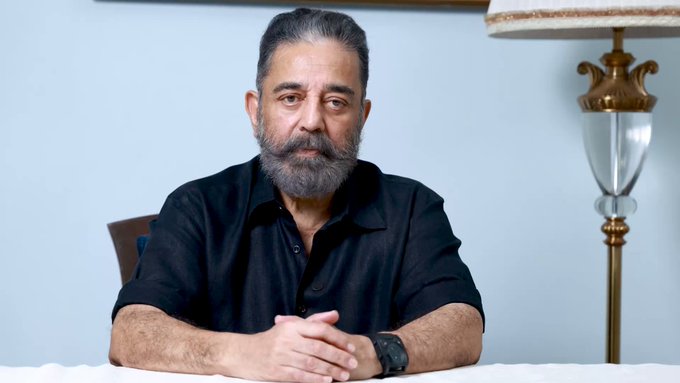
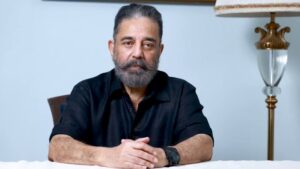
Actor-politician Kamal Haasan delivers a video message on energy conservation and the economic impact of the Iran conflict. (Image Kamal Haasan X)
By AMIT KUMAR
Kamal Haasan appealed for energy conservation and coordinated action as the Iran conflict pushes up fuel costs and raises inflation concerns.
Chennai/New Delhi, May 22, 2026 — Film actor and Makkal Needhi Maiam founder Kamal Haasan issued a video message calling for national unity and energy conservation amid the economic fallout of the Iran conflict. He warned that rising fuel costs and disruptions to global trade routes could affect ordinary Indians.
Addressing citizens as “a fellow countryman deeply concerned by the impact of the Iran war,” Haasan said the conflict was already triggering inflationary pressures.
“The prices are rising. Sea trade routes are blocked. The energy that powers our kitchens and homes, fertilizers that nourish our crops and fuel that drives industries and vehicles have all become more expensive,” he said.
Haasan noted that several countries had already begun energy-saving measures and referred to appeals made by world leaders for public preparedness amid economic uncertainty.
He said India too must prepare collectively, adding that “national responsibility must rise above party politics.” Invoking former Prime Minister Atal Bihari Vajpayee, Haasan quoted his oft-cited line: “Governments will come and go, but the nation shall remain.”
The actor-politician drew parallels with earlier moments of national mobilization, recalling public contributions during the Sino-Indian War and food conservation campaigns under former Prime Minister Lal Bahadur Shastri during the food shortages of the 1960s.
“India does not need that level of sacrifice today,” he said, while urging citizens to conserve energy. Haasan also acknowledged the government’s push toward renewable energy and diversification.
“As a centrist, I also acknowledge good work irrespective of political alliances,” he said, citing growth in solar and wind capacity and investments in coal gasification, renewable energy and nuclear power aimed at reducing dependence on imported fuels.
However, he argued that the burden of adjustment should not rest solely on citizens. Calling for a coordinated response, Haasan urged Prime Minister Narendra Modi to convene a summit of chief ministers to formulate a common strategy.
He proposed two immediate measures: reducing state taxes such as VAT on petrol and diesel and lowering fares for public transport systems including trains, metros and buses to encourage a shift away from private vehicles.
“Every unit of energy saved today strengthens India tomorrow and every drop of oil saved protects the poorest Indian from inflation,” he said. Haasan concluded by warning that geopolitical crises affect all sections of society.
“Geopolitics will affect pedestrians on the street as much as the high-flying rich. But if we face this crisis together, India can emerge stronger,” he said.
The remarks come amid wider concerns over energy markets and supply disruptions linked to instability in West Asia, with oil prices and shipping routes remaining under close watch globally.
Can Climate Diplomacy Survive Global Geopolitical Rivalries?
Follow The Raisina Hills on WhatsApp, Instagram, YouTube, Facebook, and LinkedIn




About The Author