India-US Trade Deal: Why Farmers, MSMEs and Modi’s Foreign Policy Face a Test
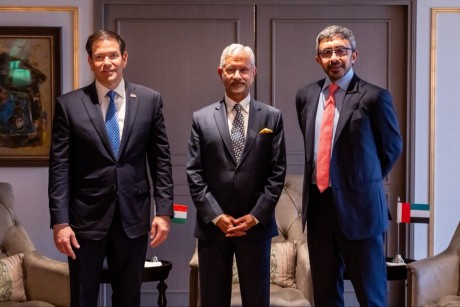
India-US trade deal faces scrutiny over secret negotiations, Trump's pressure, $500 billion purchase claims and risks to Indian farmers and MSMEs. (Image Gor on X)
By TRH Op-Ed Desk
Manish Anand flags concerns over secretive trade negotiations, a controversial American visitor to Pakistan and potential threats to Indian farmers, MSMEs and strategic autonomy.
New Delhi, November 14, 2026 — India and the United States appear to be approaching a decisive moment in their bilateral trade negotiations. Reports suggest that the first phase of a proposed trade agreement could be ready for signing. However, questions over transparency, American pressure and the possible economic consequences for India are growing.
In a geopolitical analysis for The Raisina Hills, Manish Anand, a geopolitics analyst, argues that the proposed agreement could become a test of Prime Minister Narendra Modi’s foreign policy and India’s negotiating autonomy.
Anand points to two developments that merit attention. The first concerns American national Matthew VanDyke, who was arrested in India’s Northeast along with seven Ukrainians over allegations of involvement in drone training for an armed organisation in Myanmar. The National Investigation Agency subsequently withdrew its case, and VanDyke left India after securing his release. He has since posted on X suggesting that he intends to make revelations in the coming days.
The second development involves former US Assistant Secretary of State Robin Raphel, who has reportedly visited Pakistan and held discussions with its leadership on strengthening bilateral relations. Raphel previously handled South Asian affairs and was widely viewed in Indian strategic circles as sympathetic to Pakistan.
Anand argues that these developments, coinciding with the final stages of India-US trade negotiations, raise questions about Washington’s approach towards New Delhi and whether economic negotiations are being accompanied by diplomatic pressure.
Agriculture and MSMEs at the centre of concerns
One of the biggest concerns is the potential impact of the agreement on Indian agriculture. US Secretary of State Marco Rubio has repeatedly referred to India’s commitment to purchase $500 billion worth of American products over five years, a figure that Anand believes requires greater public scrutiny.
He cautions against comparing American and Indian farmers. US agriculture benefits from large landholdings, extensive mechanisation and substantial government subsidies. In contrast, around 85% of India’s farmers are small and marginal cultivators, with landholdings below two hectares.
Allowing a substantial influx of American agricultural products into the Indian market could therefore expose domestic farmers to intense competition.
The implications could extend beyond agriculture. Anand warns that India’s small industries, cottage businesses and micro, small and medium enterprises (MSMEs) could also face pressure if American products gain greater access to Indian markets.
Transparency becomes the bigger political question
Anand also questions the secrecy surrounding the negotiations. He argues that Indian citizens have a right to know the broad terms, conditions and economic commitments being discussed with Washington.
He raises the possibility that an agreement could be announced publicly by US President Donald Trump before the Indian government adequately explains its contents to Parliament and the public.
Drawing a parallel with Trump’s claim of having brokered a ceasefire during the India-Pakistan military confrontation following Operation Sindoor, Anand says India must avoid a situation in which its own citizens learn the details of a major bilateral agreement through the American President.
The geopolitical analyst also questions whether India’s diplomatic leadership has adequately managed Washington’s increasingly assertive approach during Trump’s second presidency, placing the spotlight on External Affairs Minister S. Jaishankar.
With Rahul Gandhi and the Opposition already questioning the government’s handling of relations with Washington, an agreement perceived as favouring American interests could carry significant domestic political consequences.
For Anand, the issue goes beyond trade. It concerns India’s economic interests, diplomatic credibility and strategic autonomy. A trade agreement with the United States may offer substantial opportunities, but its terms must protect Indian farmers, industries and national interests.
Who Got the Seven Foreigners Out? VanDyke’s Russia Allegation Puts India Under Scrutiny
Follow The Raisina Hills on WhatsApp, Instagram, YouTube, Facebook, and LinkedIn




About The Author