Bullet Train Row: India Counters Ex-Japan Minister’s Allegations
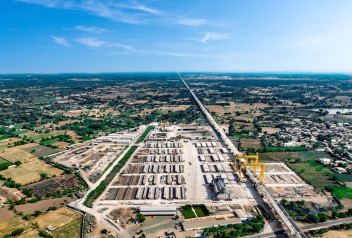
300 km Viaduct Completed for Mumbai-Ahmedabad Bullet Train Project (Image PIB)
By KUMAR VIKRAM
MEA spokesperson Randhir Jaiswal says the Mumbai-Ahmedabad High-Speed Rail project is moving ahead as planned and dismisses criticism by former Japanese minister H Makihara as a personal opinion.
New Delhi, July 17, 2026 — India on Friday dismissed criticism by former Japanese minister H Makihara over the Mumbai-Ahmedabad High-Speed Rail project, asserting that bilateral discussions with Japan are progressing smoothly and that construction on the flagship infrastructure project continues to advance.
The response came after Makihara posted on X, blaming India for delays in implementing the Shinkansen project. In a strongly worded post, the former Japanese minister alleged that Indian negotiators repeatedly failed to honour commitments, frequently changed positions during negotiations, and pursued their own interests until the final stages of discussions.
Makihara further claimed that the project’s lack of progress was “entirely on the Indian side” and cited a report suggesting that Japan had been excluded from supplying the signalling system for the Mumbai-Ahmedabad High-Speed Rail corridor.
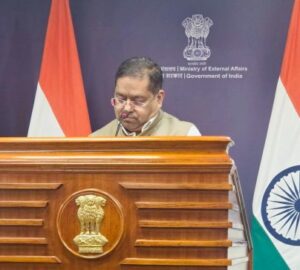
Responding to questions on the remarks during the Ministry of External Affairs’ weekly media briefing, MEA spokesperson Randhir Jaiswal described the comments as a personal opinion that did not reflect the actual status of the bilateral project.
“The social media post that you referred to—we have seen the post. It is an individual opinion and at considerable variance with facts,” Jaiswal said.
The MEA spokesperson said India and Japan continue to work closely on the Mumbai-Ahmedabad High-Speed Rail project and that discussions between the two governments are progressing well.
Jaiswal clarified that Japan would supply the next-generation E20 Shinkansen train series in the early 2030s, as the trains are still under development. However, he noted that construction of the corridor has progressed rapidly, with the first operational section expected to open as early as 2027.
According to the government, both countries have agreed that operations on the initial section should commence using an Indian high-speed train before the E20 series becomes available.
Addressing reports regarding the signalling system, Jaiswal said the equipment had been ordered in accordance with international specifications and added that no Japanese proposal had been received for supplying the signalling package.
“The signalling equipment has been ordered accordingly and is in line with international specifications. No Japanese offer was received in this context,” he said.
He maintained that project implementation remains aligned with the shared objective of launching India’s first high-speed rail service at the earliest possible date.
The exchange comes amid continued strategic cooperation between India and Japan, with the Mumbai-Ahmedabad High-Speed Rail corridor remaining the flagship symbol of the two countries’ infrastructure partnership.
While Makihara’s remarks have sparked debate over the pace and management of the project, New Delhi has sought to reassure that bilateral cooperation remains intact and the project continues to move forward according to mutually agreed plans.
Follow The Raisina Hills on WhatsApp, Instagram, YouTube, Facebook, and LinkedIn




About The Author