India’s Oil Risk: Can Railways Cut Fuel Dependence?
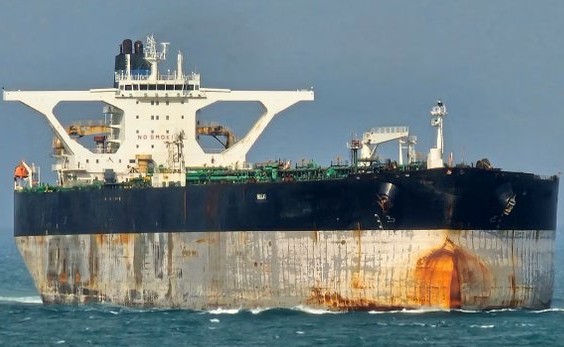
The US special forces captured oil tanker Bella 1—now renamed Marinera—250 miles off Ireland coast. (Image X.com)
Ex-Railways GM Debi Prasad Dash calls for freight shift to rail and RO-RO expansion to cut fuel dependence amid Iran tensions
By TRH Business Desk
New Delhi, May 6, 2026 — As geopolitical tensions escalate in West Asia and disruptions loom over the Strait of Hormuz, concerns are mounting over India’s vulnerability to energy supply shocks. Former railway official Debi Prasad Dash has called for a strategic pivot, arguing that Indian Railways could play a decisive role in safeguarding the country’s energy and logistics stability.
Writing on LinkedIn, Dash highlighted that nearly 40% of India’s crude oil imports and a significant share of LPG supplies pass through the Hormuz corridor. Ongoing tensions involving Iran have already disrupted global shipping routes, pushing up risks for fuel supply chains and domestic inflation.
Transport Sector Under Strain
Dash underscored that transportation remains a “hidden but massive” consumer of petroleum. India’s highways are heavily dependent on diesel-powered trucks moving essential commodities—from food grains to industrial goods—across long distances. In times of fuel disruption, this dependence quickly translates into higher freight costs, slower movement, and supply bottlenecks.
“A nation of India’s scale cannot rely excessively on petroleum-intensive logistics,” he argued, warning that highway-based freight systems are the first to feel the strain during oil shocks.
Railways as Strategic Buffer
Against this backdrop, Indian Railways emerges as a critical alternative. With a largely electrified network, rail transport consumes significantly less fuel per tonne-kilometre compared to road logistics. Dash described the railways not just as a transport system, but as a “strategic energy buffer” capable of maintaining supply chain continuity during global crises.
A key solution he proposed is the rapid expansion of Roll-On Roll-Off (RO-RO) services—where fully loaded trucks are transported on railway wagons. This model allows thousands of trucks to reduce diesel consumption while still ensuring timely delivery of goods across freight corridors.
A Moment for Structural Shift
The current crisis, Dash noted, presents an opportunity for India to rethink its logistics architecture. He called for a national mission focused on shifting freight from road to rail, expanding electrified logistics, and integrating multi-modal transport systems.
India has already taken steps to strengthen energy resilience through diversified crude sourcing and strategic reserves. However, experts say long-term security will depend equally on reducing consumption vulnerabilities—especially in the transport sector.
As global uncertainty persists, the message is clear: energy security is no longer just about supply—it is about how efficiently a nation moves its goods.
Follow The Raisina Hills on WhatsApp, Instagram, YouTube, Facebook, and LinkedIn




About The Author