ICJ Finds Myanmar Committed Genocide Against Rohingya, Orders Reparations
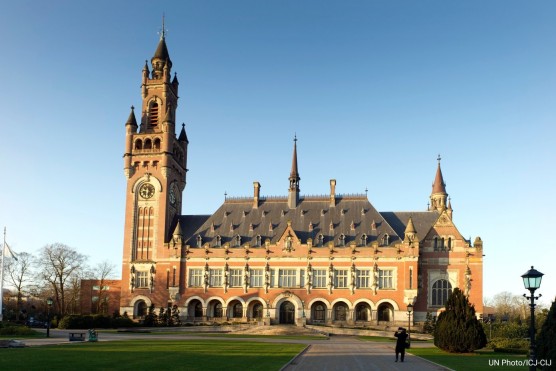
The International Court of Justice delivers its judgment in The Gambia v. Myanmar over alleged genocide against the Rohingya. (Image UN)
By TRH World Desk
The International Court of Justice ruled that Myanmar committed genocide against the Rohingya in northern Rakhine State during the 2017 clearance operations, ordering accountability, restitution, compensation and measures to prevent future violations.
New Delhi, November 19, 2026 — The International Court of Justice (ICJ) has ruled that Myanmar committed genocide against the Rohingya population in northern Rakhine State during the 2017 “clearance operations,” marking a major legal development in the long-running case brought by The Gambia under the Genocide Convention.
The judgment, delivered on November 19, 2026, also found Myanmar in breach of its obligations to prevent genocide, punish perpetrators and preserve evidence related to alleged genocidal acts.
The Court further ruled that Myanmar violated its obligation to prevent genocide by individuals acting alongside its security forces, punish genocide and other acts prohibited under the Convention, and enact legislation necessary to fulfil its international obligations. However, it found that Myanmar did not directly and publicly incite private individuals to commit genocide against the Rohingya.
The ICJ also found that Myanmar breached an earlier court order issued on January 23, 2020, requiring it to take effective measures to prevent the destruction of evidence related to allegations of genocide.
Reparations, return and accountability
In its judgment, the Court directed Myanmar to cease any continuing violations, investigate individuals reasonably suspected of committing acts contrary to the Genocide Convention and prosecute and punish those responsible, where warranted.
Myanmar has also been ordered to provide assurances and guarantees against the recurrence of similar violations, take measures to facilitate the safe, voluntary and dignified return of displaced Rohingya, enable family reunification, and compensate the Rohingya group and its members for damage caused.
The question of the amount and modalities of compensation and other reparations will be determined in a subsequent phase of proceedings. Myanmar must submit a report within two years detailing measures adopted to implement restitution and compensation.
The case, formally titled The Gambia v. Myanmar, was initiated in 2019 over alleged violations of the 1948 Genocide Convention. Eleven countries intervened in the proceedings, making the case one of the most significant international legal challenges concerning the treatment of the Rohingya minority.
The judgment represents a major development in international law and accountability, placing Myanmar under binding judicial obligations concerning the prevention of genocide, preservation of evidence, victim restitution and measures to ensure that such violations do not recur.
The ruling is final and binding on the parties, with the reparations question remaining for further proceedings before the Court.
Refuge & Realpolitik: India’s Asylum Dilemmas in a Broken System
Follow The Raisina Hills on WhatsApp, Instagram, YouTube, Facebook, and LinkedIn




About The Author