Global Education Crisis Deepens: 273 Million Out of School
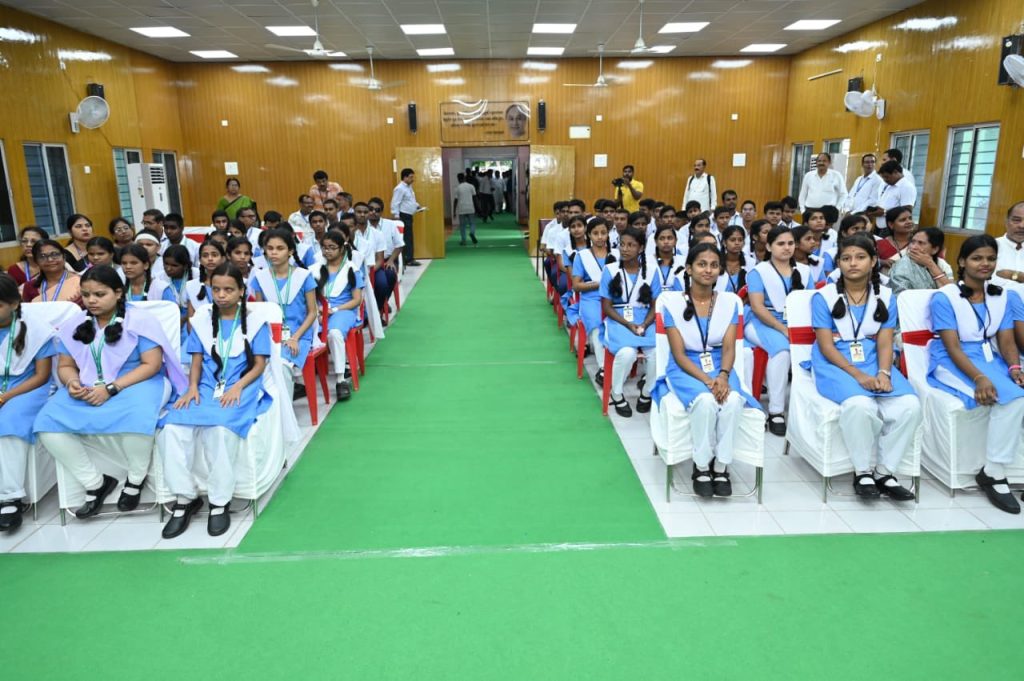
UNESCO GEM Report 2026 flags South Asia as a hotspot; rising economic stress mirrors widening education gaps
By TRH World Desk
New Delhi, April 1, 2026 — A new report by UNESCO has underlined the scale of the challenge: the number of children and youth out of school worldwide has climbed to 273 million, marking the seventh consecutive year of increase.
The trend, driven by population growth, economic disruptions and shrinking public spending, mirrors broader anxieties reflected in financial markets and currency pressures across developing economies.
South Asia at the centre of the crisis
According to the Global Education Monitoring (GEM) Report 2026, South Asia—home to countries like India, Bangladesh and Nepal—accounts for a significant share of the global out-of-school population.
The report notes that three out of four out-of-school children globally are concentrated in Central and Southern Asia and sub-Saharan Africa, underscoring deep structural challenges.
While the region has made gains in enrolment over the past two decades, progress has slowed since 2015, with the COVID-19 pandemic worsening participation—especially among younger children.
Progress, but fragile
Despite setbacks, South Asia has recorded notable improvements:
Primary enrolment rose by 29%
Lower secondary by 51%
Upper secondary by 114%
However, these gains are increasingly under strain due to economic pressures, demographic shifts and persistent inequalities.
Gender and social barriers remain
The report flags child marriage and social norms as key reasons for continued dropouts among girls, particularly at the secondary level.
Additionally, debates over grade repetition, funding gaps and exclusion of children with disabilities continue to hamper inclusive education efforts in the region.
Economic stress meets social reality
The imagery of a “breaking rupee” aligns with real-world pressures:
Rising fiscal constraints impacting public spending
Inflation affecting household ability to fund education
Economic uncertainty pushing children into work
Experts warn that unless economic stability and social investment move together, both financial indicators and human development metrics could deteriorate in tandem.
The road ahead
UNESCO has called for increased public investment, inclusive policies and targeted interventions to reverse the trend and ensure equitable access to education.
As the global economy navigates volatility, the message is clear: economic resilience and human capital development must go hand in hand.
Follow The Raisina Hills on WhatsApp, Instagram, YouTube, Facebook, and LinkedIn




About The Author