Durga Puja, Akal Bodhon and Delhi’s 30-Foot Cockroach Effigy
This year, Delhi’s Dussehra celebrations are set to include a 30-foot cockroach effigy, which organisers say represents filth and dirt. (Image Durga Puja West Bengal)
By NIRENDRA DEV
From the legend of Rama’s autumn worship of Durga to the craftsmanship of idol-makers, the festival celebrates good over evil. Delhi’s planned cockroach effigy adds a cleanliness message to this year’s Dussehra observances.
New Delhi, October 17, 2026 — Durga Puja is a celebration of the triumph of good over evil, the power of the divine feminine and the joy of returning home. In Delhi this Dussehra, the traditional effigies of Ravana, Kumbhakarna and Meghnad will be joined by an unusual addition: a 30-foot-tall cockroach.
The Shree Keshav Ram Leela Committee, which organises Ramlila in Pitampura, says the insect represents “filth and dirt”. The committee has described the initiative as part of the Swachh Bharat and Swachh Delhi campaigns.
Ashok Goel, the committee president and a BJP MLA, has said the decision is not politically motivated.
The proposed burning of the cockroach effigy adds a contemporary civic message to the familiar Dussehra tradition. But the larger cultural landscape of this season remains rooted in stories of devotion, the defeat of evil and the arrival of Goddess Durga.
Why Durga Puja is called Akal Bodhon
For Bengali Hindus, Durga Puja is also known as Akal Bodhon—the untimely awakening or invocation of the Goddess.
According to a popular Bengali account associated with the Ramayana tradition, Lord Rama sought Brahma’s guidance before his battle against Ravana. Rama was advised to worship Durga to secure victory. As the autumn season was not considered the traditional time for her worship, Brahma undertook the ritual awakening of the Goddess.
The autumnal worship consequently became associated with the name Akal Bodhon. Basanti Puja, celebrated during Chaitra Navratri in March–April, represents the springtime tradition of Durga worship and is regarded in some traditions as the original period of her veneration.
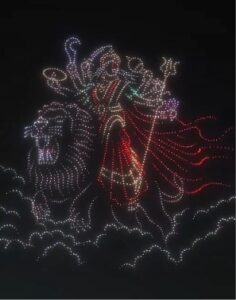
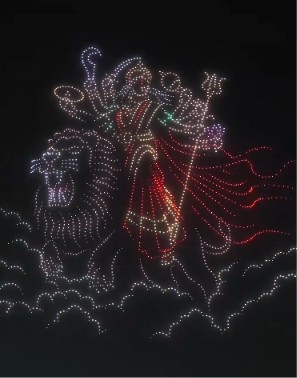
At the heart of Durga Puja lies the victory of good over evil. The Goddess’s ten arms, the weapons she carries and the lion she rides symbolise strength, courage and the ability to confront injustice. She also represents women’s power and the force required to overcome oppression.
According to Hindu tradition, when the gods were overwhelmed by the tyranny of Mahishasura, Durga emerged from their combined energies. Empowered by the divine forces associated with Brahma, Vishnu and Shiva, she became Mahashakti and ultimately slew the demon after a prolonged battle.
The Goddess comes home
Durga Puja also carries an intimate, familial meaning. In the Bengali imagination, the Goddess returns to her parental home with her children. Her daughters, Saraswati, the Goddess of Learning, and Lakshmi, the Goddess of Prosperity, accompany her. Kartik, traditionally depicted as youthful and handsome, and Ganesha complete the familiar family tableau.
For many devotees, the festival is as much about this homecoming as it is about the mythology of divine combat.
The ceremonial calendar includes Mahalaya, Bodhon and Sandhi Puja. Mahalaya, observed before the main festivities, marks the invocation of the Goddess and the beginning of the festive anticipation. Bodhon signifies her ritual awakening, while Sandhi Puja is performed at the transition between Ashtami, the eighth lunar day, and Navami, the ninth.
The autumnal festival is also linked to Rama’s preparations for his battle against Ravana. In the popular narrative, Durga’s blessings help prepare the ground for the eventual defeat of the demon king.
From the artisans’ workshops to the pandals
For idol-makers, the festival begins long before the first beats of the dhak announce the Goddess’s arrival.
The work requires patience, precision and a deep understanding of traditional craftsmanship. Artisans bind bamboo and wooden frames with straw to create the basic figures. They then apply layers of clay, allow them to dry, smooth the surfaces and finish the idols with paint, clothing and ornaments.
The finished images become the centrepieces of elaborate pandals, where devotees gather for prayers, cultural programmes and community celebrations.
Beyond religious observance, Durga Puja brings together people who may otherwise have little opportunity to meet. Old friendships are renewed, families reunite and communities share food and festivities. The Bengali expression bhuri bhojan captures the pleasure of generous feasting that accompanies the celebrations.
For many people, including those who do not practise the religion, the season has become a cultural occasion associated with companionship, food, music and shared memories.
A festival of faith, community and renewal
Durga’s victory over Mahishasura remains the central symbol of the festival: the triumph of righteousness over destructive power. Dussehra carries a parallel message through the burning of Ravana’s effigy, commemorating his defeat by Rama.
Delhi’s planned 30-foot cockroach effigy introduces a civic cleanliness message into this wider tradition. Whether received as a public-awareness gesture or an unusual addition to the customary spectacle, it reflects the ways organisers seek to connect familiar celebrations with contemporary concerns.
The devotional spirit of Durga Puja is captured in the Sanskrit invocation: “Ya Devi Sarva-Bhuteshu Bhranti Rupena Samsthita; Namastasyai, Namastasyai, Namastasyai Namo Namah.”
A traditional translation reads: “To the Goddess who dwells in all beings in the form of delusion, we bow to her again and again.”
As the Goddess is welcomed into homes and pandals, the festival renews an enduring message of courage, feminine power and the hope that good will prevail over evil.
Follow The Raisina Hills on WhatsApp, Instagram, YouTube, Facebook, and LinkedIn




About The Author