You Can See Everything Review: Nathan Fielder’s Elizabeth Holmes Documentary Is Bold, Strange and Long
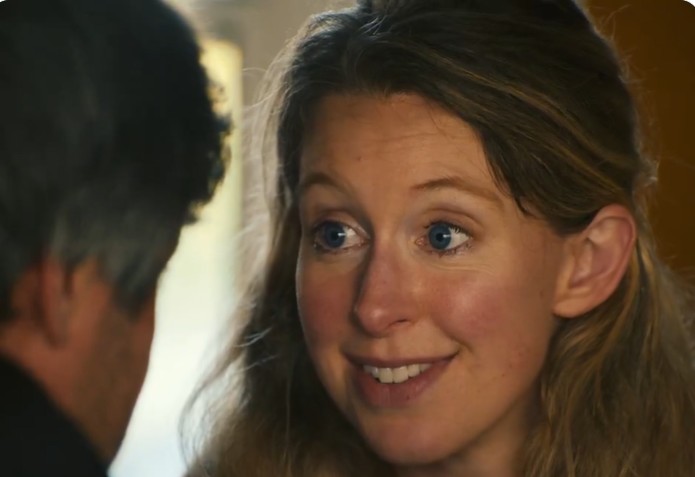
You Can See Everything review: 174 minutes of mirrors, and worth it (Video grab)
By TRH Entertainment Desk
You Can See Everything review: Nathan Fielder’s Elizabeth Holmes film is a three-hour hall of mirrors
Mumbai, November 10, 2026 — Documentaries rarely announce that they are lying to you. You Can See Everything, from Nathan Fielder and Lance Oppenheim, comes close, and then asks you to keep watching.
The A24 film runs 174 minutes. It was made largely in secret over nearly four years and revealed at a surprise Telluride screening in September. In 2023, 34 days before Elizabeth Holmes was due to begin an 11-year sentence for defrauding Theranos investors, Fielder and Oppenheim moved into the rented beach house of Holmes and her partner, Billy Evans. Variety calls it “just about the furthest thing from a ‘pure’ documentary you’ve ever seen.”
NPR says the film is “best treated as two movies stitched together.” The first half is close observation of Holmes and Evans at home, with Fielder’s dry, probing presence in the room. After she enters prison she can no longer be filmed, and the second half becomes something stranger.
Fielder builds scenes from transcripts of what she has said, with performers speaking her words, and Oppenheim appears as a semi-dramatised version of himself.
Along the way, the film revisits a disputed remark attributed to Holmes, which a New York Times reporter stands by and which Holmes and Evans dispute.
The mix is dizzying and often funny. RogerEbert.com’s critic found it “like no other film I’ve ever experienced,” and the Los Angeles Times called it “far stranger than a conventional documentary.”
The New York Times named it a Critic’s Pick. Holmes remains unnervingly opaque, and the film wisely refuses to deliver a verdict or an apology. It sustains an unsettling tension between sincerity and performance, and Evans, in particular, emerges as a more troubling figure than the headlines suggested.
The craft is excellent. David Bolen’s camera is patient, the editing is mischievous, and a sequence involving scrambled eggs, which is a small masterpiece of discomfort.
The length will test viewers. Some critics felt the runtime was not earned, and others questioned whether Fielder treats Holmes fairly or is simply enjoying the spectacle. NPR notes the film stacks the deck by setting aside evidence that might clarify its central questions, so audiences expecting to square it with the widely reported facts may be frustrated.
Next Best Picture, while calling the film “troubling and undeniably gripping,” found its blind spots, especially around the real victims and Holmes’ family, keep it from being something to celebrate outright.
The title is also a trap. You see a great deal, but the film keeps asking what a camera can actually capture.
You Can See Everything is not the definitive account of Holmes and Theranos, and it does not try to be. It is a bold, sometimes exasperating experiment about performance, truth and the people who stage both. See it for the filmmaking, and treat its claims with the same scepticism it invites toward everyone else.
The Great Indian Kitchen Review: A Quiet, Merciless Film About the Work Nobody Counts
Follow The Raisina Hills on WhatsApp, Instagram, YouTube, Facebook, and LinkedIn




About The Author