Infiltration Debate in Bengal Polls—But Reality Is More Complex
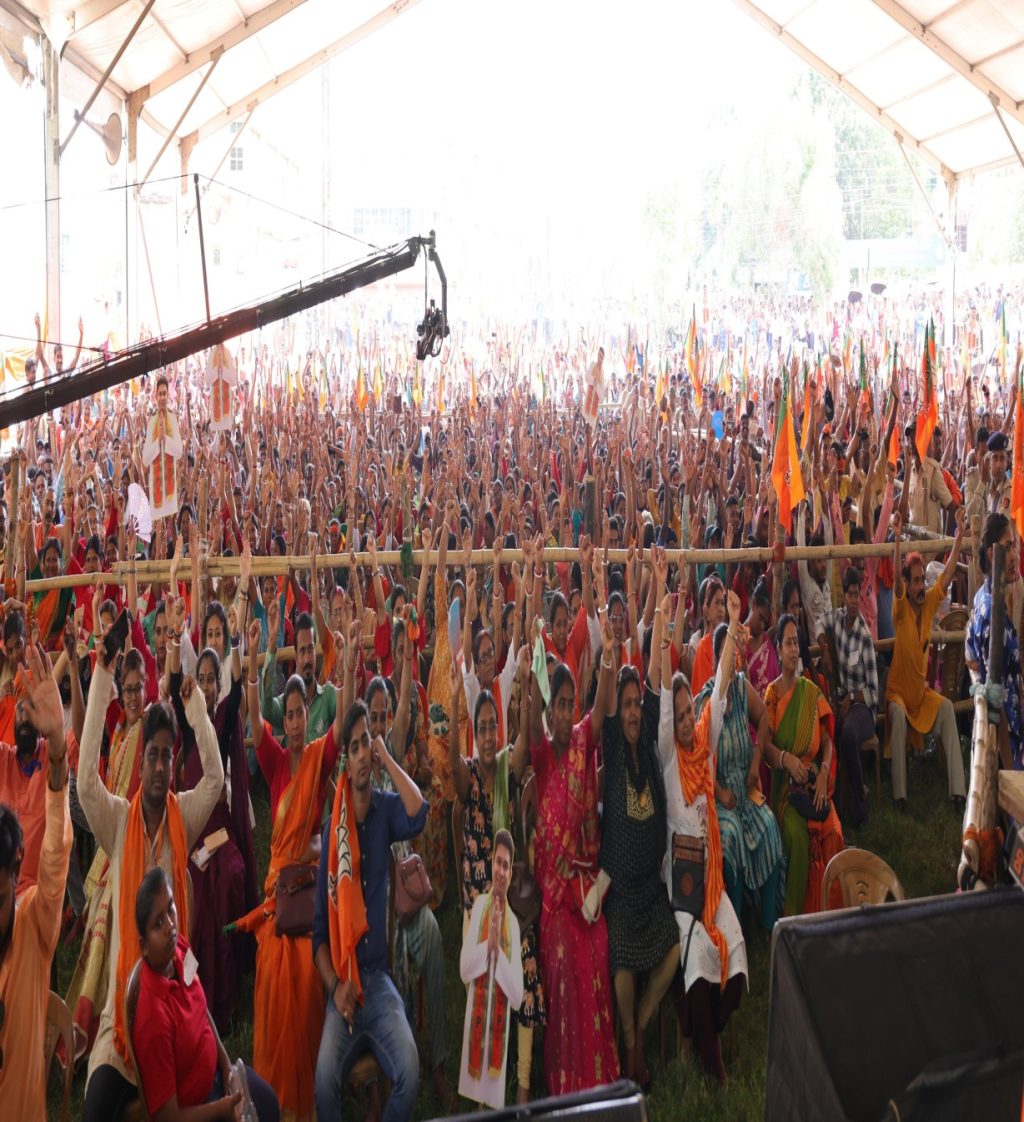
Image credit X @BJP4India
PM Narendra Modi sharpens rhetoric, but voters must weigh security concerns against political realities and diplomatic constraints
By NIRENDRA DEV
Kolkata, April 22, 2026 — As West Bengal heads into a crucial phase of polling, the issue of “Bangladeshi infiltration” has once again taken centre stage in political discourse. Prime Minister Narendra Modi, addressing a rally in Purba Bardhaman on April 11, delivered one of his strongest statements yet: “The infiltrators should start packing their bags; it is time to leave.”
For years, the BJP has linked cross-border migration to voter fraud, welfare leakage, and national security concerns—an argument that has resonated strongly in states like Assam. In West Bengal, however, the issue is more layered, shaped by history, geography, and demography.
The first phase of polling on April 23 will cover 152 assembly constituencies across 16 districts, including Cooch Behar, Darjeeling, Malda, and Murshidabad—many of them bordering Bangladesh or having deep socio-cultural links with it.
Over 3.6 crore voters are eligible, with a record deployment of 2,450 companies of central forces. With more than 8,000 sensitive polling stations, security presence is unprecedented—roughly one personnel for every 145 voters.
For the BJP, maintaining dominance in North Bengal and border districts is critical. In 2021, the party won 59 of these 152 seats, while the Trinamool Congress (TMC), led by Mamata Banerjee, secured 93.
To remain competitive, BJP needs a significant jump—potentially reaching 90–100 seats in this phase. This is a steep climb, though 13 seats lost by margins under 5,000 votes and about 20 identified “winnable” constituencies offer openings.
The Narrative Around ‘Infiltration’
Analysts argue that references to Bangladesh in Bengal politics go beyond policy—they are deeply political. The memory of the Bangladesh Liberation War and decades of migration shape perceptions, but electoral narratives often amplify fears of demographic change.
The BJP’s strategy mirrors its approach in Assam—linking migration to jobs, welfare, and identity. Such messaging can influence voter behaviour, especially in border belts and among communities with economic vulnerabilities.
However, Bengal’s social fabric is more complex. Diverse groups—tribals, Gorkhalis, Bengali Hindus and Muslims—often share historical and familial ties across borders. This makes a uniform political narrative harder to sustain.
Diplomacy vs Electoral Rhetoric
There is also a clear contrast between campaign rhetoric and diplomatic reality. India continues to seek stable ties with Bangladesh. The recent appointment of Dinesh Trivedi as High Commissioner to Dhaka signals an intent to strengthen engagement, including with the new leadership under Tarique Rahman.
A confrontational approach on migration or border fencing risks complicating bilateral relations. Both countries have strong incentives to maintain stability, particularly given shared economic and security interests.
Limits of the Narrative
Voters in West Bengal are politically aware and often distinguish between campaign messaging and governance realities. While the “infiltration” narrative may influence sentiment, its electoral impact—especially in South Bengal and urban areas—remains uncertain.
Historically, Bengal has seen different parties ruling at the Centre and the state. The idea of a “double-engine government” is gaining traction in some areas, but it competes with entrenched political loyalties and regional identity.
What Voters Should Keep in Mind
Perception often outweighs data: demographic fears can shape voting behaviour more than verified figures. Migration is complex: driven by economic, historical, and geographic factors—not just politics. Simple narratives can be powerful, but may oversimplify ground realities. Diplomatic considerations limit how far political promises can be implemented.
The debate over “Bangladeshi infiltration” will remain a potent campaign issue. But its real impact will depend on how voters balance security concerns with economic priorities, social cohesion, and geopolitical realities.
As West Bengal votes, the space for maneuver—both politically and diplomatically—remains limited.
(This is an opinion piece. Views expressed are the author’s own.)
West Bengal Elections 2026: Political Psywar Peaks in Final Leg
Follow The Raisina Hills on WhatsApp, Instagram, YouTube, Facebook, and LinkedIn




About The Author