Empty Homes, Growing Risk: Why Vacant Properties Are Becoming a Security Concern
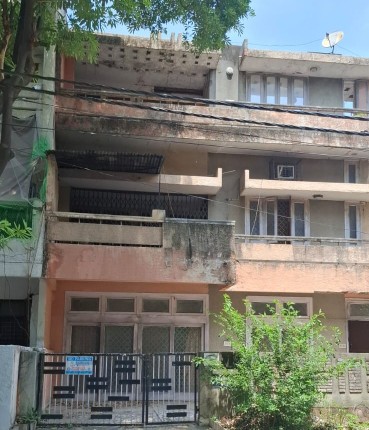
Vacant and poorly maintained homes can pose security and safety concerns for residential neighbourhoods. (Image Bhawna Malik)
By BHAWNA MALIK
Locked gates and unoccupied houses in affluent neighbourhoods can create security, fire and maintenance risks, putting the focus on owners and RWAs.
New Delhi, September 18, 2026 — Locked gates, overgrown gardens, newspapers piling up at the entrance and dark windows for months—abandoned or rarely occupied homes are becoming a familiar sight in many of India’s affluent neighbourhoods. While they may appear harmless, these vacant properties are emerging as a growing security concern.
In many posh colonies, owners have moved abroad, shifted to other cities or visit only occasionally. Some houses remain tied up in legal disputes, while others await redevelopment or sale. Whatever the reason, an unoccupied house often becomes an attractive target for criminals.
Police investigations in several cities have shown that burglars frequently conduct surveillance before striking. They observe whether lights are switched on, whether vehicles move in and out, and whether anyone collects mail or opens the gates. Once convinced that a property is vacant, they often break in during the night or even in broad daylight, knowing there is little chance of immediate detection.
Vacant homes also become hiding places for anti-social elements, illegal activities or unauthorised occupants. In some cases, abandoned buildings have been used to store stolen goods or as temporary shelters by criminals planning offences in the area. Such properties not only endanger themselves but also increase the vulnerability of neighbouring houses.
The problem extends beyond theft. Poorly maintained vacant properties can become fire hazards, attract stray animals or become breeding grounds for mosquitoes and pests. Neglect affects the overall safety and quality of life in the neighbourhood.
Resident Welfare Associations (RWAs) have an important role to play. Maintaining a confidential list of vacant properties, encouraging owners to appoint caretakers and coordinating with local police can significantly reduce risks. Regular security patrols, functioning CCTV cameras, adequate street lighting and prompt reporting of suspicious activity strengthen community vigilance.
Owners also have responsibilities. Installing smart security systems, using automatic lighting, arranging periodic inspections and informing neighbours or security guards about long absences can deter criminals. Even simple measures, such as asking someone to collect newspapers and maintain the garden, create the impression that the house is occupied.
Neighbourhood safety depends on collective awareness. A locked gate should never mean a forgotten responsibility. Residents should report broken locks, unfamiliar visitors or unusual movement around vacant houses without hesitation.
An empty home should not become an open invitation to crime. As India’s cities continue to expand, protecting abandoned properties is no longer just the owner’s concern—it is a shared responsibility. A vigilant neighbourhood is often the strongest defence against burglary, vandalism and organised crime.
Living Alone, Dying Alone: Why India’s Elders and Single Women Are Becoming Invisible
Follow The Raisina Hills on WhatsApp, Instagram, YouTube, Facebook, and LinkedIn




About The Author