Russia Sanctions Bill Clears Congress: What Trump Can Do Next
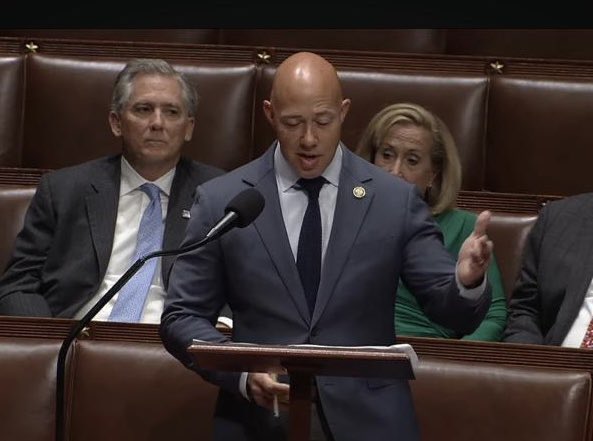
Rep. Michael McCaul, R-Texas, leads debate on the Lindsey O. Graham Sanctioning Russia and Iran Act in the US House of Representatives. (Image Embassy of Poland US on X)
By TRH Explainer Desk
From Russia sanctions to a potential 100% tariff threat on countries buying Russian oil, the bill gives Trump sweeping new powers as India and China face renewed scrutiny.
New Delhi, September 17, 2026 — The US House of Representatives has cleared a sweeping sanctions and tariff bill targeting Russia. The legislation championed by the late Senator Lindsey Graham now heads to US President Donald Trump for his signature.
The Lindsey O. Graham Sanctioning Russia and Iran Act of 2026 passed the House by 262 votes to 159. The Senate earlier had approved the legislation by an overwhelming 86-11 vote on August 7, clearing the final congressional hurdle.
Graham was a sanctions’ hawk, who had sought punitive measures against buyers of Russian oils. He had died recently due to a sudden medical situation on his return from Ukraine.
The legislation is significant. It combines sanctions on Russia with a potentially far-reaching tariff mechanism. The legislation threatens countries that continue buying Russian energy. While aiming at Russia’s energy and defence sectors, Russian officials and financial institutions, as well as vessels belonging to the so-called Russian “shadow fleet” used to move oil while circumventing existing sanctions, the legislation adds to existing executive powers of the US President to employ his power of sanctions to pressurise China and India.
The US and EU leaders in the past have accused China of being an “enabler of the Ukraine War.” India also faces scrutiny in the western world for its energy sourcing.
What does the Russia sanctions bill do?
At its core, the bill seeks to increase the economic cost for Moscow of continuing the war in Ukraine. It provides for sanctions against Russian entities and individuals and strengthens measures against networks that help Russia generate revenue from energy exports.
One of its most consequential provisions gives President Trump authority to impose tariffs of up to 100% on major buyers of Russian oil and gas, under specified conditions.
Importantly, the legislation does not automatically impose a 100% tariff on India or China. Instead, it gives the US president additional authority. The caveat here is that the measure is subjective in the sense that the US president has to satisfy himself that purchases of Russian oils are boosting the Russian war efforts.
Why is India watching the bill closely?
India has remained a major buyer of Russian crude since the disruption of global energy markets following Russia’s invasion of Ukraine in 2022. Russian oil has provided Indian refiners access to discounted supplies, while Washington has repeatedly scrutinised continued purchases of Russian energy.
The new legislation consequently creates another potential pressure point in US-India economic relations. If the Trump administration were to use the tariff authority against Indian imports, the consequences could extend well beyond the energy sector and affect bilateral trade.
Yet the US itself has given exemptions to buyers of Russian and Iranian oil in the past. Also, the US has allegedly been using the threat to slap sanctions to push sale of own oil and gas. Lately, India has been majorly sourcing its energy goods from the US.
Why was the bill named after Lindsey Graham?
The legislation was originally introduced by the late South Carolina Republican senator. He had spent more than a year negotiating support for the package. Following his death, lawmakers renamed the legislation the Lindsey O. Graham Sanctioning Russia and Iran Act of 2026 in his honour.
The bill also includes provisions extending or strengthening sanctions relating to Iran, making it broader than a Russia-only sanctions package.
The next step is Trump’s decision on the legislation.
The House vote also demonstrated that support for the legislation was bipartisan but not unanimous. Fifty-eight Democrats joined 203 Republicans in voting for the bill. Seven Republicans opposed the legislation.
Jaishankar’s Warsaw Message: Why India Says Ukraine War Must End Through Negotiations
Follow The Raisina Hills on WhatsApp, Instagram, YouTube, Facebook, and LinkedIn




About The Author