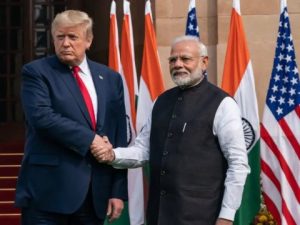
Trump Grants India a 30-Day Strings Attached Pass on Russian Oil
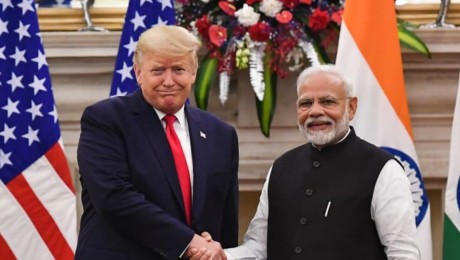
Image credit X.com
As Iran chokes Hormuz shipping lanes, the US Treasury issues a sanctions waiver for stranded Russian crude — but signals New Delhi must pivot to American energy long-term
By TRH News Desk
New Delhi, March 6, 2026 — Washington issued a temporary 30-day sanctions waiver, authorising the delivery and sale of crude oil and petroleum products of Russian origin, loaded on vessels as of March 5, 2026, to India — with transactions cleared through April 3, 2026.
The move, announced by US Treasury Secretary Scott Bessent, is a direct consequence of the escalating Gulf crisis. With conflict severely hampering shipping routes through the Strait of Hormuz, Washington allowed the waiver for India to meet its immediate energy requirements.
“President Trump’s energy agenda has resulted in oil and gas production reaching the highest levels ever recorded,” Bessent posted on X. “This deliberately short-term measure will not provide significant financial benefit to the Russian government as it only authorises transactions involving oil already stranded at sea,” he added.
Bessent stressed that “India is an essential partner of the United States, and we fully anticipate that New Delhi will ramp up purchases of US oil. This stop-gap measure will alleviate pressure caused by Iran’s attempt to take global energy hostage.”
The volume is not trivial. Energy analyst Gregory Brew noted bluntly on X: “India doesn’t have access to MENA oil due to the war, so the US is letting them buy Russian oil at sea. It’s about 50 million barrels. That’s a lot. Big win for Putin.”
The backdrop is layered. Trump had previously imposed 25% punitive tariffs on India for buying Russian oil, asserting that Delhi’s purchases were helping fuel Russia’s war against Ukraine. Last month, the US and India announced a framework Interim Agreement on trade, and Trump issued an Executive Order removing those tariffs, noting New Delhi’s commitment to stop importing Russian energy and increase purchases of American oil.
Geopolitics commentator Nirupama Menon Rao read the subtext sharply: “The US is willing to be flexible with India in moments of crisis — but still expects India’s long-term energy alignment to move closer to American interests. This is classic great-power diplomacy.” She added: “India has lashed part of its rigging to the US and Israeli mast for seeming stability in turbulent seas. Measured ambiguity, packaged in strategic autonomy, yields benefits and manoeuvring space — for now.”
The waiver is precisely calibrated. The general licence does not authorise any transactions involving Iran, the Government of Iran, or Iranian-origin goods — keeping that sanctions wall firmly intact. The strategic calculus is clear: Washington is managing an acute energy crisis for a key partner while ensuring India remains on a trajectory toward American oil dependence — and away from Moscow.
Trump’s Dictator Rhetoric: A 2026 Test for Modi’s Foreign Policy
Follow The Raisina Hills on WhatsApp, Instagram, YouTube, Facebook, and LinkedIn




About The Author