La Bola Negra Review: Los Javis’ Lorca-Inspired Queer Epic Divides Critics
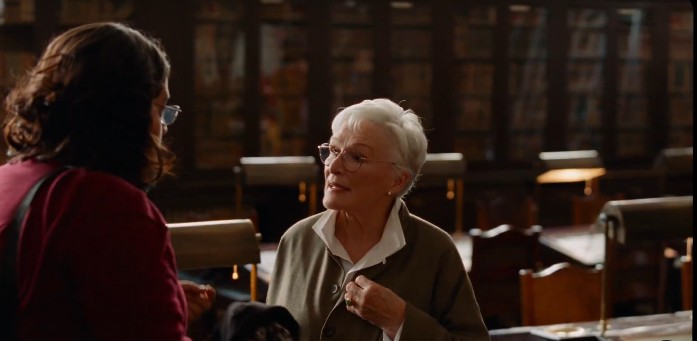
Our review of La Bola Negra, Los Javis’ Lorca-inspired queer epic with Penélope Cruz and Glenn Close. (Image video grab)
By TRH Entertainment Desk
La Bola Negra review: Los Javis’ queer epic is ambitious, divisive and hard to ignore
Mumbai, November 14, 2026 — Javier Calvo and Javier Ambrossi, known as Los Javis, have made a film about a play that was never finished. The result is a 155-minute Netflix epic that critics love or resist, rarely in between.
La Bola Negra (The Black Ball) takes its title from an unfinished work by Federico García Lorca, of which only four pages survive, and from Alberto Conejero’s play La piedra oscura.
The Arts Fuse says the directors shape those pages into the Granada timeline that opens the film. It then weaves three stories across the century: the 1930s, the Spanish Civil War of 1936 to 1939, and a modern 2017 strand following a man named Alberto, who searches for his own identity through his grandfather’s legacy.
The Film Stage says the film blends fictional and historical characters. Rafael Rodríguez Rapún is the only major character based on a real person, according to Slant. The ensemble is led by Guitarricadelafuente, Miguel Bernardeau, Carlos González, Milo Quifes and Lola Dueñas, with Penélope Cruz and Glenn Close in cameos. It premiered at Cannes in May, and it won the Best Director award.
The film spins Lorca’s unfinished work into a generations-spanning study of war, sexuality and buried love. Critics have said that it earns its third-act excess through the melodrama before it. Empire says it aims straight for the heart, and Arts Fuse says it largely succeeds in corralling a century of national history into under three hours.
Reviewers single out Cruz, who plays the cabaret singer Nené Romero. Her two numbers are mesmerising.
The film, per NPR, falls far short of its maximalist ambitions, arguing the time-hopping structure keeps cutting away just as characters become interesting. Its final half-hour, the review says, is another narrative thread, not poetic abstraction.
Slant noted the film soothes Spain’s collective guilt instead of confronting it. The Film Verdict called it a ravishing if slightly ungainly epic that risks collapsing under its operatic pretensions.
The most repeated complaint concerns Glenn Close. She plays Isabelle Durand, a Lorca scholar, and several critics find her role superfluous. The Film Verdict calls her dialogue leaden and on the nose, and NPR says she is saddled with a drearily written part. Even admirers, such as Arts Fuse, say the modern storyline is scattered and leaves such characters with rushed exposition. Empire adds that the puzzle pieces fit together a little too tidily.
Credits point to a lavish production: cinematography by Gris Jordana, editing by Alberto Gutiérrez, music by Raül Refree and Pedro Almodóvar among the producers, according to The Film Verdict. The Almodóvar influence is hard to miss, with its showgirls, estranged relatives and repressed desire.
Some will find La Bola Negra overstuffed and others will find it overwhelming. Reviews range from two to four stars, so the safest advice is to expect scale, heart and excess, in that order. It is a film to see for Cruz, its ambition and the history it reclaims.
Follow The Raisina Hills on WhatsApp, Instagram, YouTube, Facebook, and LinkedIn




About The Author