CJP Protests Go Quiet: Has Modi Government Tightened the Noose on Student Activists?
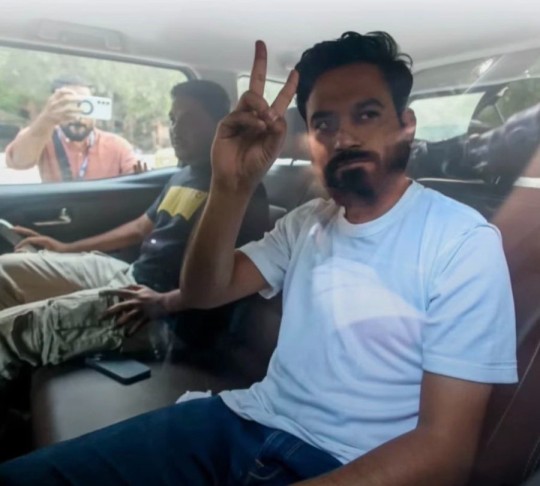
CJP Protests Go Quiet: Has Modi Government Tightened the Noose on Student Activists? (Image Dipke on X)
By TRH Op-Ed Desk
Political analyst Manish Anand examines whether seven days in Tihar, police peace bonds and restrictions on demonstrations have stalled the Cockroach Janata Party’s street mobilisation over electoral roll revision.
New Delhi, October 24, 2026 — Delhi’s streets have grown quieter after weeks of protests by the Cockroach Janata Party (CJP) and student groups, raising questions about whether the movement has lost momentum or is preparing for another political confrontation with the Narendra Modi government.
In a monologue for The Raisina Hills, political analyst Manish Anand argues that the movement appears to have slowed after police action against its leaders, while questioning whether restrictions on protests are narrowing the space for democratic dissent.
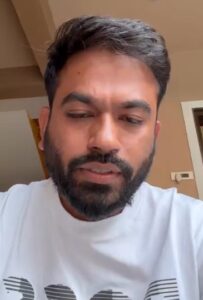
CJP co-founder Abhijeet Dipke has said the organisation is still deliberating on the lessons from its protests and discussing a strategy for a fresh beginning. However, the detention and legal proceedings involving student activists have raised questions about the movement’s ability to return to the streets.
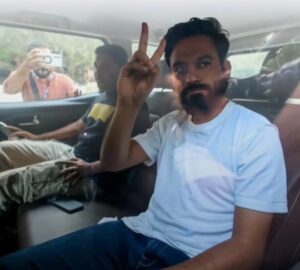
AISA president Neha Bora approached the Delhi High Court challenging a police notice requiring her to furnish a ₹10,000 bond to maintain peace. The court did not grant her the relief she sought. Separately, CJP activists Saurav Das and Ashutosh Ranka spent seven days in Tihar Jail after their arrest in connection with a protest at Jantar Mantar.
“Has the Cockroach Janata Party effectively locked down its street politics by furnishing police bonds?” Anand asks, highlighting the dilemma confronting activists who have committed themselves to continued agitation but must also contend with the conditions imposed by authorities.
From NEET to SIR: When Protest Becomes a Political Challenge
According to Anand, the movement initially focused on alleged irregularities in examinations and demands for Education Minister Dharmendra Pradhan’s resignation. The political stakes changed when protesters turned their attention to the Election Commission’s Special Intensive Revision (SIR) of electoral rolls and demanded the resignation of Chief Election Commissioner Gyanesh Kumar.
Anand suggests that the shift brought the agitation into more direct confrontation with the political establishment. He argues that a government facing challenges to its authority has multiple instruments at its disposal to control street mobilisation.
The analyst also questions whether the activists underestimated the consequences of signing peace bonds. If they intended to continue their agitation, he argues, they needed to consider the implications of accepting conditions that could restrict subsequent demonstrations.
Can Democracy Function Without Protest?
Anand’s central concern, however, extends beyond the fortunes of the CJP. He argues that protest and dissent are integral to a functioning democracy.
Article 19 of the Constitution protects freedoms including speech and expression, peaceful assembly and association, subject to constitutionally permitted restrictions. While authorities can regulate demonstrations under applicable law, Anand warns against treating dissent itself as a threat.
“Can a democracy remain healthy and vibrant if people cannot protest or raise their voices?” he asks, arguing that public demonstrations can help ensure that Parliament and the government hear citizens’ grievances.
He recalls earlier protest movements, including the farmers’ agitation, to underline the government’s experience in managing street mobilisation. In his assessment, the CJP’s challenge now is whether it can rebuild its campaign without losing momentum or compromising its stated objectives.
For the moment, Delhi’s quieter streets leave an unresolved question: has the CJP’s agitation reached a temporary pause, or have legal constraints and political pressure weakened its capacity to mobilise again?
Follow The Raisina Hills on WhatsApp, Instagram, YouTube, Facebook, and LinkedIn




About The Author