Behind Neon Lights of GB Road: Hidden Lives of Sex Workers
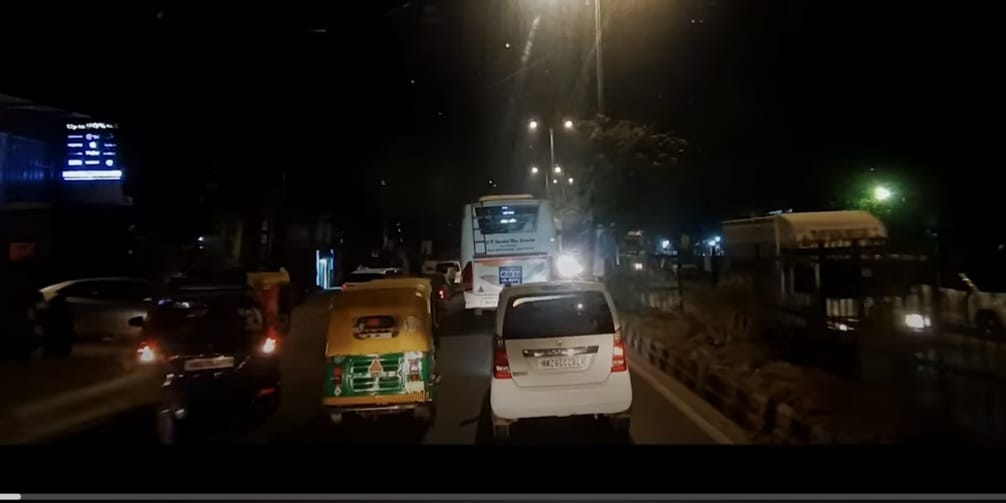
GB Road in Delhi known as sex worker's street (Image Bhawna Malik)
Close to India’s Parliament, a street tells tales of struggle of women for survival. Bhawna Malik met such women to bring their stories.
By BHAWNA MALIK
New Delhi, March 8, 2026 —Behind Delhi’s glittering skyline and crowded markets exists another city — one that survives in shadows. In narrow lanes near railway stations, red-light pockets, and urban slums, thousands of sex workers live lives marked by poverty, stigma, and constant vulnerability. Their stories rarely make headlines, yet they reflect deep social and economic failures that demand urgent attention.
Known officially as Swami Shraddhanand Marg, GB Road has more than 85 brothels. Behind the flashy neon signs lies a world sealed off from daylight. Narrow staircases lead to dark, dingy corridors where the air feels heavy and time seems frozen. Small rooms — barely larger than cupboards — line the passageways, each holding a bed, a flickering bulb, and walls stained by years of neglect. These brothels do not have addresses. They have numbers.
Poverty, Not Choice: Who Comes to GB Road
Hundreds of women live in these tiny rooms. Poverty remains the strongest push factor. Migration from rural India in search of work often ends in broken promises. Many arrive as domestic workers, factory helpers, or dancers, only to be trapped by traffickers or middlemen. Others are widows, abandoned wives, or survivors of domestic violence who find themselves without education, family support, or employable skills. Women here come from Nepal, Kolkata, Assam, Manipur, and Punjab, among other places.
 “It’s not always betrayal that brings women to GB Road. Some opt for this profession knowingly. Through the internet I was aware of what GB Road is all about — but I had no other way out,” says Saroj, who arrived as a young woman from a small town.
According to the Delhi State AIDS Control Society (DSACS), there are 35,062 sex workers in Delhi.
Violence, Health Risks, and the Distance of Justice
Life in the profession is harsh and unsafe. Sex workers face regular harassment from clients and local goons. Violence — physical, verbal, and emotional — is a constant threat. Many hesitate to report abuse due to fear of arrest, extortion, or public shaming. Access to justice remains distant for a community caught at the margins of both legality and the ongoing morality debate around sex work in India.
Health risks compound the danger. While awareness about HIV and sexually transmitted infections has improved through NGO interventions, access to quality healthcare remains limited. Many women avoid hospitals fearing discrimination. Mental health issues — depression, anxiety, and trauma — are widespread but rarely addressed.
“We ensure protection by asking the client to use a condom, but some of them do not agree. We can’t afford to lose a customer,” says Sharda, in her forties, speaking with a matter-of-fact resignation that comes from years of navigating this impossible calculus.
“People see us from one lens, but we too are humans. We also want to stay healthy — for our families,” adds Sneh.
Daughters, Wives, Mothers — and Breadwinners
Many women in Delhi’s sex trade were once daughters with ordinary dreams — girls who wanted to study, work, or marry with dignity.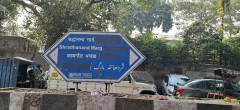 Poverty, early marriage, domestic violence, or betrayal pushed them towards cities that promised opportunity and delivered exploitation. Families left behind often depend entirely on income they refuse to acknowledge. Money orders are accepted. Questions are not asked.
As wives, their stories grow more complex still. Some were deserted by husbands after illness, dowry disputes, or the birth of daughters. Others support alcoholic or unemployed partners who know the truth but choose silence. In most cases, the burden of being the sole breadwinner falls entirely on women whose labour society refuses to legitimise.
“I tried to move away and get a job, but could not find one, so I had to come back to this. At least my parents and siblings have food to eat now,” says Pinki, who has spent most of her adult life on GB Road.
“It is not a 9-to-5 kind of work. Clients keep coming throughout the day — it is something normal for all of us,” she adds.
Not all transactions are purely transactional. “Not everyone comes for sex. Some clients share their personal problems — a quarrel with a wife, a business loss. We just listen,” says Nirmal, an elder in the brothel. “Men crossing a certain age are sexually unfit, but they still come. What can we say,” adds Gopi, who has been on GB Road since her youth.
Motherhood: The Fiercest Driver of Survival
Motherhood brings both strength and fear. Sex workers speak of their children as their reason to survive. Education becomes the ultimate dream — a way out of the cycle. Many hide their profession fiercely, moving homes frequently, changing schools, inventing occupations to protect their children from stigma. The fear of being “found out” is constant. A careless remark, a neighbour’s suspicion, or a school form asking too many questions can shatter carefully constructed lives.
Nanda lovingly holds her one-day-old daughter, born inside the brothel. “She will be with me until she turns one and a half years old. After that, I will send her to her naani, who lives in a small village,” she says — like any mother, wanting her daughter to study and build a secure future. Most women here visit their children once a year. Every one of them wishes for more.
Resilience in the Margins
Despite these hardships, sex workers demonstrate remarkable resilience. Community collectives and self-help groups in Delhi have helped women negotiate safer working conditions and access ration cards, voter IDs, and basic health services — small dignities that the state has often failed to extend proactively.
To see sex workers only through the lens of morality is to erase their humanity. These are not merely stories of sin or rescue. They are stories of survival, sacrifice, and silent strength. Recognising these women as mothers, daughters, and wives does not excuse exploitation — it restores the perspective that should never have been lost.
Before any label, they are human. And that truth deserves to be seen.
(All names in the story obviously are changed to protect identities.)
How Mizo Students Are Building Careers—and Saying “Kalaw Mey”
Follow The Raisina Hills on WhatsApp, Instagram, YouTube, Facebook, and LinkedIn




About The Author