The Audacity of People’s Mandate: Democracy and Power in 2026
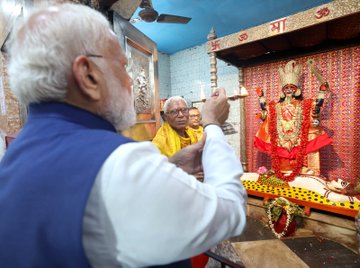
PM Narendra Modi attacks Mamata Banerjee’s TMC in North 24 Parganas (Image Modi on X)
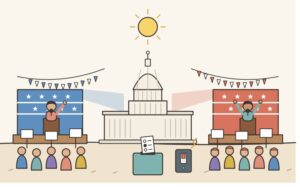
India’s 2026 elections raise critical questions on democracy, dynastic politics, and electoral reforms. Are voters truly in control?
By NIRENDRA DEV
New Delhi, May 3, 2026 — As another round of Assembly elections concludes across India, all eyes are now on the results. But beyond the numbers lies a deeper, uncomfortable question: Are citizens truly the masters in a democracy—or merely participants in a pre-scripted political theatre?
If there is one clear takeaway from the 2026 elections, it is the efficient conduct of polling. The Election Commission of India, along with central forces, ensured largely peaceful voting, particularly in West Bengal—a state historically marred by electoral violence. Polling was also conducted smoothly in Assam, Tamil Nadu, Kerala, and Puducherry.
In West Bengal even if the BJP can wrest power; the apparatus to run the Double Engine Sarkars will have to realize that here things could be messier than what was Uttar Pradesh in 2017 or what was Bihar in 2005.
Yet, celebrating peaceful elections alone would be superficial. Beneath the surface, India’s democratic fabric continues to face erosion—from the influence of money and muscle power to voter inducements, intimidation, and the growing manipulation through social media.
Democracy Under Strain: Who Really Chooses Leaders?
A persistent concern is whether electoral outcomes genuinely reflect the people’s will. Dynastic politics continues to cast a long shadow. In Tamil Nadu, M. K. Stalin’s leadership often raises questions about succession politics. In West Bengal, leadership choices within ruling circles remain tightly controlled.
Even where dynasty is absent, centralized decision-making dominates. The Bharatiya Janata Party has frequently surprised observers by appointing chief ministers without prior public projection—as seen in states like Rajasthan, Madhya Pradesh, and Chhattisgarh.
Historically too, leadership has often been “selected” rather than organically chosen. Sonia Gandhi backing P. V. Narasimha Rao in 1991, or the elevation of H. D. Deve Gowda and I. K. Gujral in the 1990s, reflect a pattern where political elites shape outcomes.
Manifestos, Identity Politics, and Voter Disconnect
Another structural issue lies in how campaigns are run. Political manifestos—often branded as “Sankalp Patras”—tend to emphasize freebies and identity-based appeals over long-term governance agendas. Caste, religion, and regional divides continue to dominate narratives.
Candidates rarely engage deeply with voters’ real issues. The result: a widening gap between electoral promises and governance delivery.
The Road Ahead: Governance Over Glory
As results unfold, the real test begins. Electoral victories must remain short-lived celebrations; governance should take centre stage.
States like West Bengal, Kerala, Assam, and Tamil Nadu face complex challenges—regional imbalances, socio-economic disparities, and persistent communal and caste tensions.
The question is no longer just who wins—but how they govern.
Democracy at a Crossroads
As India moves closer to its 100th year of independence, the need for electoral reform has never been more urgent. Strengthening institutions, ensuring transparency, and prioritizing merit over patronage are essential.
Because ultimately, a democracy is not defined by elections alone—but by whether its people truly hold power, or merely the illusion of it.
(This is an opinion piece. Views expressed are the author’s own.)
Bihar Encounters: BJP MLA Anand Mishra Backs Police Crackdown
Follow The Raisina Hills on WhatsApp, Instagram, YouTube, Facebook, and LinkedIn




About The Author