India–China Ties Thaw: Flight Diplomacy Drives Asian Reset
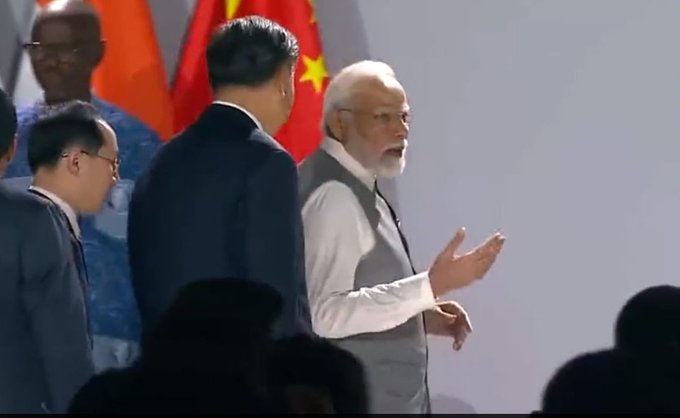
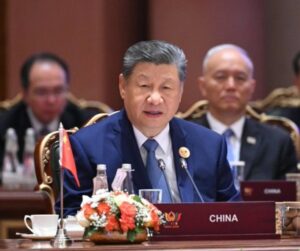
PM Narendra Modi with Chinese President Xi Jinping on the sidelines of BRICS Summit in Johannesburg.
Air connectivity expands as Modi–Xi engagement and envoy appointment hint at gradual normalisation post-Galwan
By TRH World Desk
New Delhi, March 31, 2026 — Signs of a calibrated thaw in India–China relations are becoming increasingly visible, with expanding air connectivity, diplomatic signalling, and high-level engagements pointing to a gradual normalisation after nearly four years of post-Galwan tensions.
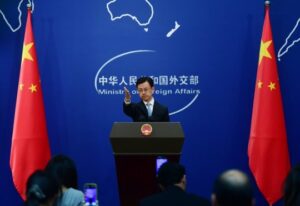
A statement by Chinese Embassy spokesperson Yu Jing highlighted a surge in direct flight connectivity, underlining growing people-to-people and business linkages.
Air Connectivity Back on Track
Multiple airlines are restoring and launching routes between the two countries:
IndiGo has begun daily Kolkata–Shanghai flights from March 29**
China Southern Airlines is set to launch a uangzhou–Delhi route in the summer–autumn schedule
China Eastern Airlines will resume Kunming–Kolkata flights from April 18
Air China will start a Beijing–Delhi service from April 21
The expansion marks the most significant restoration of air links since the freeze following the 2020 border standoff.
Diplomatic Signals Turn Positive
There has also been notably positive commentary in Chinese policy and media circles on India’s decision to appoint Pradeep Kumar Rawat’s successor, Vikram K. Doraiswami. Chinese observers have described the move as a “constructive step”, indicating willingness on both sides to stabilise ties.
Modi–Xi Engagement Adds Momentum
The diplomatic reset has been reinforced by recent high-level interactions. Prime Minister Narendra Modi and Chinese President Xi Jinping shared a visibly warm exchange on the sidelines of a recent multilateral summit, signalling political intent to rebuild engagement.
Officials point to this interaction as a turning point in tone, following years of minimal top-level contact.
Global Context: Trump Factor
The evolving dynamic is also being viewed against the backdrop of shifting global geopolitics, particularly Donald Trump’s isolationist US posture. Analysts suggest both New Delhi and Beijing may be seeking trategic recalibration, prioritising regional stability and economic cooperation amid global uncertainty.
From Galwan Freeze to Gradual Thaw
Relations between the two Asian giants had sharply deteriorated after the 2020 Galwan Valley clash, leading to:
Suspension of direct flights
Trade and investment scrutiny
Military standoffs along the Line of Actual Control
The freeze persisted for nearly four years. However, recent developments indicate a phased normalisation, driven by disengagement efforts, diplomatic dialogue, and economic pragmatism.
Economic and Strategic Implications
The restoration of connectivity and diplomatic engagement is expected to:
Boost trade and tourism flows
Ease business travel and supply chain linkages
Reduce geopolitical friction in the region
While structural challenges remain, the current trajectory suggests a managed stabilisation rather than a full reset.
At a Glance
Flights Resume: IndiGo, Air China, China Eastern, China Southern expand routes
Diplomatic Signal: Positive Chinese response to India’s envoy appointment
Leadership Optics: Modi–Xi interaction signals warming ties
Global Context: Trump-era isolationism influencing regional recalibration
Follow The Raisina Hills on WhatsApp, Instagram, YouTube, Facebook, and LinkedIn




About The Author