Editors Guild Flags IT Rules: A Tool to Silence Digital Media

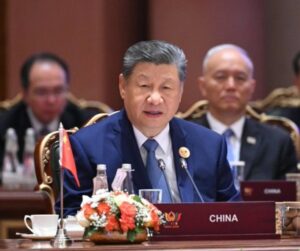
Prime Minister Narendra Modi at Bharat Mandapam to unveil the AI Impact Summit (Image Vaishnaw on X)
Guild calls draft rules a direct threat to free speech and demands urgent review, citing chilling effect on democratic discourse
By TRH News Desk
New Delhi, April 4, 2026 — The Editors Guild of India has issued a sharp warning against the Draft Information Technology (Intermediary Guidelines and Digital Media Ethics Code) Second Amendment Rules, 2026, calling the proposed regulations a fundamental threat to free expression and accusing the government of arming the executive with unchecked powers to control digital content.
The Guild’s statement criticises both the substance of the draft rules and the process — MeitY published the amendments on March 30 with only a fortnight allowed for public comment, a timeline the Guild called wholly inadequate for changes of this magnitude.
What the Draft Rules Propose
The stated purpose of the amendments is to “strengthen compliance” and increase regulatory oversight under Part III of the IT Rules, 2021. But the Editors Guild argues the fine print tells a different story.
The most alarming provision, according to the Guild, is the new Sub-rule (4) to Rule 3, which would compel digital intermediaries to comply with any “clarification, advisory, order, direction, standard operating procedure, code of practice or guideline” issued by the Ministry — in writing, without defined due process. Non-compliance would strip platforms of their safe harbour protection under Section 79 of the IT Act, effectively making government compliance orders an existential threat to any platform that pushes back.
“The absence of due process for the issuance of compliance orders and the complete lack of transparency in the process are deeply concerning,” the Guild stated.
The IDC’s Expanding Mandate
Changes to Rule 14(2) and Rule 14(5) significantly expand the powers of the Inter-Departmental Committee, the central body created to hear grievances against digital content. The amended rules empower the IDC to deal with any “matter” — a term left entirely undefined — giving the body virtually unlimited scope to intervene in digital content decisions. The Guild warned that other provisions effectively transfer rulemaking authority entirely to the executive, bypassing the legislative oversight mechanisms built into the original IT Act.
A Direct Threat to Free Speech
The Guild was unequivocal in its constitutional assessment. The rules, it said, “will directly infringe the fundamental right to free speech guaranteed to all citizens under the Constitution and will have a chilling effect on freedom of expression and the airing of contrarian views, which are fundamental to an open and functional democracy.”
The Guild called on the government to urgently review or recall the draft rules entirely, and to engage in genuine, inclusive consultations with all stakeholder groups before proceeding.
Vision to Verification: e-Governance Speeches Must Learn to Count
Follow The Raisina Hills on WhatsApp, Instagram, YouTube, Facebook, and LinkedIn




About The Author