New Vocabulary of Class Contempt: Cockroaches and Parasites

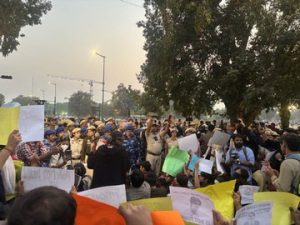
India Gate protests in New Delhi against air pollution crisis. (Image Aryan on X)
By MANISH ANAND
As mainstream platforms narrow and dissent grows fragmented, India’s argumentative classes are increasingly caricatured rather than heard. “Shunned from space in the mainstream media, the angry young Indians increasingly find voice in alternative platforms while being ridiculed by the establishment.”
NEW Delhi, May 17, 2026 — “Cockroaches” have given interviews to alternative media to argue their cases after remarks were attributed to Chief Justice of India (CJI) Surya Kant in which he purportedly lamented the class of “cockroaches and parasites.” The CJI has since made clarifications. The issue should rest, but the pattern of throwing labels at restive, argumentative, and aspirational class seems to be in vogue.
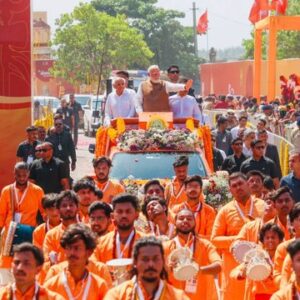
Narendra Modi had coined a sweeping label for protesters a few years ago when he described certain activists as “andolanjeevi” — a term widely interpreted by critics as portraying professional agitators as parasitic figures thriving on perpetual protest.
For decades, the traditional stage for such agitationists was New Delhi’s Jantar Mantar Road, located a stone’s throw from India’s Parliament. The stretch now wears a deserted look. In earlier years, however, it resembled a theatre of “millions in mutiny,” with people from all walks of life gathering to voice grievances, demands, and dissent.
From “andolnjeevi” to “cockroaches and parasites”, the angry young Indians, arguably, find themselves at a crossroads. Shunned from space largely in the mainstream media, they often find voice in the alternative media, while ridiculed by the establishment.
Judicial activism in the 1990s and later years forced some of key changes in the Indian establishment. If a white shirt by evening turned grey from a day long exposure to Delhi’s pollution in the 1990s, the judiciary had come out as a saviour by forcing the administration to shift the public transport to the CNG mode. The judiciary turned the public interest litigations (PILs) into a livewire for the people finding a real meaning in Article 21 — The Right to Life. A fundamental right enshrined in the Constitution.
The PILs have become fewer in recent years. The Constitutional guarantee to the right to life is fast being called a theoretical concept. The people in Delhi and elsewhere in the country vent out their anger at chronic levels of pollution.
Gita Gopinath, former deputy managing director of the International Monetary Fund (IMF), questioned India’s development model, spotlighting “rising demands for chemotherapy” in India. On days succeeding to the National Testing Agency cancelling the NEET-UG, reports surfaced of young students dying by suicides. Millions of students sacrifice the joys of their lives to become guinea pigs in the coaching factories of India solely on account of an abundant failure of Indian educational system. But questions have not be asked from the establishment, else labels will tumble out.
(This is an opinion piece. Views expressed are the author’s own.)
Modi Govt’s Fuel Price Narrative Faces Scrutiny After Latest Hike
Follow The Raisina Hills on WhatsApp, Instagram, YouTube, Facebook, and LinkedIn




About The Author