Jensen Huang Visits Michelin-Recognized Beijing Noodle Restaurant
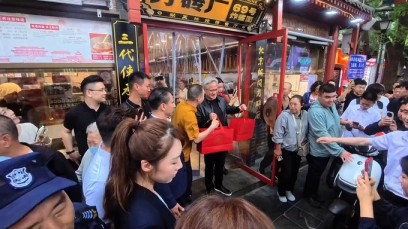
Nvidia CEO Jensen Huang Eats Beijing Zhajiangmian at Michelin-Recognized Restaurant (Image video grab X)
By S. JHA
The Nvidia CEO’s sidewalk encounter with a centuries-old Beijing staple at a Michelin-recognized hutong eatery captures something far bigger than a bowl of noodles.
Mumbai, May 16, 2026 — When Jensen Huang, CEO of Nvidia and one of the most powerful figures in global technology, stood on a Beijing sidewalk and declared a bowl of fried sauce noodles “so good,” he was not merely passing judgment on lunch. He was paying homage to one of China’s most enduring culinary traditions — and the internet took notice.
Huang was spotted at No. 69 Fangzhuanchang Noodles, where he tucked into a bowl of zhajiangmian — a Beijing specialty featuring noodles blanketed in a thick soybean-paste sauce mixed with vegetables and minced pork. The moment was captured by onlookers and quickly spread across Chinese social media, resonating with millions who recognize the dish not as street food, but as a cultural cornerstone.
The restaurant itself is no ordinary lunch counter. Fangzhuanchang No. 69 is a Michelin Bib Gourmand-recognized noodle house nestled in Beijing’s historic Dongcheng District — an award given to establishments offering excellent food at a reasonable price. Tucked into Fangzhuanchang Hutong in the Shichahai area, it has earned consecutive Michelin Bib Gourmand recognition in both 2024 and 2025. Despite the accolades, the eatery operates with a studied lack of ceremony: there is only one thing on the menu — zhajiangmian — yet diners arrive in hordes from the moment the place opens until it closes.
What draws them is a dish that has been refined over centuries. Zhajiangmian is believed to have originated in Shandong province and evolved over centuries into a hearty, economical meal for labourers and city dwellers — with one popular account crediting members of the Qing court with bringing the recipe to Beijing after encountering it on their travels. Today it is considered as emblematic of the capital as Peking duck, only far more democratic.
The version served at Fangzhuanchang No. 69 is a study in precision. The signature sauce is made with fermented soybean paste (huángjiàng), stir-fried with finely minced pork to strike a perfect balance of salty and slightly sweet. Hand-pulled and freshly made noodles are thick, springy, and satisfyingly chewy, topped with shredded cucumber, radish, and bean sprouts for a crisp counterpoint to the robust sauce. Optional pickled Laba garlic and cumin chilli sauce offer diners a personalized finish.
Huang dug into the bowl while standing at the restaurant entrance, onlookers crowding around to film him and take photos. His verdict was immediate and unambiguous. For a dish that has sustained Beijing residents through dynasties, wars, and modernization, the enthusiasm of one of Silicon Valley’s most celebrated leaders felt, to many watching, like a long-overdue global moment of recognition.
Huang, who was in Beijing as part of Donald Trump’s state visit to China, appeared perfectly content relishing the local staple right on the sidewalk — no table required, no ceremony expected. In that sense, he ate it exactly as Beijing intended: standing, grateful, and a little overwhelmed by how good a simple bowl of noodles can be.
Follow The Raisina Hills on WhatsApp, Instagram, YouTube, Facebook, and LinkedIn




About The Author