From Bharat Tiwari to Banti Yadav: Is Bihar Losing the Fight Against Organized Crime?
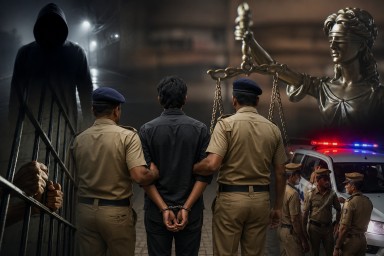
A representative image .
By RAJESHWAR JAISWAL
The murder of Banti Yadav is more than an isolated crime. It raises difficult questions about organized crime, police accountability and public trust in Bihar’s justice system. Rajeshwar Jaiswal argues that swift justice and structural police reforms—not political rhetoric—are now essential.
Patna, July 14, 2026 — The gruesome murder of Banti Yadav is not merely another addition to Bihar’s long list of criminal cases. It is a reminder that when organized crime operates with confidence and citizens lose faith in the state’s ability to protect them, democracy itself begins to weaken.
According to reports, Banti Yadav had been vocal against an alleged organized racket that, in his view, was exploiting vulnerable people and corroding the social fabric. He reportedly received threats before he was abducted. CCTV footage allegedly captured parts of the kidnapping. Yet the sequence of events raises uncomfortable questions about whether timely intervention could have prevented his death.
His body was later recovered from a secluded location after heavy rainfall exposed what appears to have been an attempt to conceal the crime. Reports suggest the killers allegedly tried to destroy his identity before abandoning the body. Such brutality naturally shocks public conscience. But outrage alone cannot substitute for justice.
The issue extends beyond one individual.
Sexual crimes against children: Bihar, MP & Odisha most laggard in pending POCSO cases
Whether the victim is Bharat Tiwari, Banti Yadav or any ordinary citizen, every unresolved crime chips away at public confidence in law enforcement. Bihar has witnessed several incidents in recent years that have reignited concerns over organized criminal networks, witness intimidation and delays in securing convictions.
The police have reportedly arrested some suspects in the Banti Yadav case. That is an important first step. But arrests are only the beginning of justice—not its conclusion. The real measure of the criminal justice system lies in whether investigations are professional, prosecutions are swift and convictions are secured within a reasonable time.
Equally worrying is the perception that organized crime has become more sophisticated. Criminal enterprises today often operate through networks that thrive on intimidation, financial incentives and local influence. Breaking such ecosystems requires far more than routine policing. It demands intelligence-led investigations, protection for whistle-blowers and witnesses, technological surveillance and political determination.
Public trust also depends on police accountability.
Whenever citizens believe that complaints require public pressure before action is taken, institutional credibility suffers. Bihar has invested considerably in expanding its police force over the years. The challenge today is less about numbers and more about effectiveness, professionalism and responsiveness.
Political parties, meanwhile, should resist the temptation to reduce every crime to an electoral talking point. Governments must be held accountable, but selective outrage serves little purpose. The victim’s family deserves justice—not political symbolism.
The Banti Yadav case should also trigger a broader conversation about social responsibility. Individuals who expose alleged criminal activities often do so at considerable personal risk. A society that leaves such voices isolated sends a dangerous message that speaking out carries unbearable costs.
Bihar has made progress in infrastructure, investment and governance over the past two decades. Those gains, however, can quickly be overshadowed if public safety deteriorates. Economic growth cannot flourish where fear replaces confidence.
Justice in the Banti Yadav case should therefore be swift, transparent and free from political influence. Equally important, the state government must treat this case as an opportunity to review policing standards, strengthen witness protection mechanisms and dismantle organized criminal networks before they become even more entrenched.
The measure of a state is not whether crime occurs—no society is immune from it. The real test is whether criminals believe they can escape punishment.
Bihar must ensure that the answer is an unequivocal no.
(This is an opinion piece. The views expressed are the author’s own. References to the circumstances of the case are based on publicly reported information, and allegations should be understood as such unless established in a court of law.)
Bharat Tiwari’s Death Has Become Bihar’s Political Rorschach Test
Follow The Raisina Hills on WhatsApp, Instagram, YouTube, Facebook, and LinkedIn




About The Author