‘Do You Think You’re the Devil?’: Epstein’s Chilling Answers
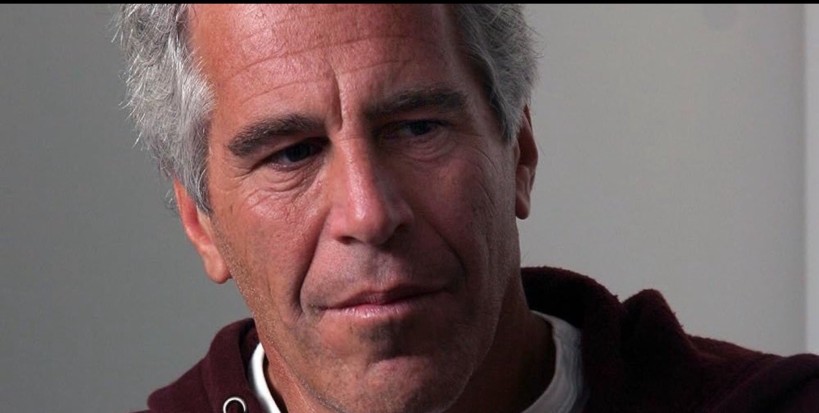
Jeffery Epstein (Image X.com)
Justice Department Video Revives the Dark Logic of Dirty Money, Power, and Moral Collapse
By TRH World Desk
New Delhi, February 3, 2026 — A newly released video interview from the United States Justice Department has brought Jeffrey Epstein back into public view—not through allegations, court filings, or third-party testimony, but through his own voice.
The exchange is disturbing not because it reveals new crimes, but because it exposes the moral logic that allowed them to exist.
In the video, Epstein is confronted with a blunt question: Is your money dirty money?
His answer is equally blunt: No. I earned it.
What follows is not a defence, but a window into a worldview where accountability dissolves and exploitation is rationalised as transaction.
Pressed on how the money was earned—through association with “the worst people in the world,” people who did “enormous bad things”—Epstein does not deny the premise. Instead, he shrugs it off. The ethical chain between money and harm, he suggests, is irrelevant once cash changes hands.
The interviewer raises a stark image: Epstein walking into clinics serving people in desperate poverty, distributing funds whose origins are tainted. Would recipients care where the money came from?
Epstein’s answer is chilling in its certainty.
Everyone said, ‘I want the money for my children.’
In Epstein’s moral universe, need washes away sin. Desperation becomes absolution. Dirty money, once exchanged, becomes clean by necessity.
The interview descends further into the abyss when Epstein is confronted with classifications describing him as a “tier one” sexual predator—defined in the exchange as the worst category. He disputes the ranking, not the criminality.
But a criminal? Yes, he replies.
There is no remorse. No reckoning. Just semantic negotiation.
The most haunting moment comes near the end, when the interviewer asks a question that sounds almost rhetorical, yet lands with weight: If the devil himself offered money to save a child’s life, would people take it?
Epstein’s response is evasive, then revealing. When asked directly whether he thinks he is the devil himself, he does not deny it outright.
I don’t know, he says. Why would you say that?
This is not the language of innocence. It is the language of someone who has replaced morality with mirrors—judging himself only by his own reflection.
The significance of the Justice Department releasing this video now lies not in sensationalism, but in documentation. Epstein is no longer shaping his image. He is preserved as evidence—an artefact of how power talks when it believes it is untouchable.
The interview captures something broader than one man’s crimes. It reveals a philosophy that exists wherever money, influence, and desperation intersect: that outcomes matter more than origins; that charity redeems corruption; that consent extracted under inequality is still consent.
Epstein’s words force an uncomfortable question onto the public record: how many institutions, donors, intermediaries, and beneficiaries operate on similar logic—less extreme in crime, perhaps, but not in moral compromise?
The video does not answer who enabled Epstein, who protected him, or who looked away. But it clarifies something essential. This was not a man confused about right and wrong. This was a man who understood the questions perfectly—and chose to dismiss them.
In releasing the interview, the Justice Department has done more than unseal evidence. It has allowed Epstein’s own reasoning to stand trial in the court of public conscience.
And in that courtroom, his answers echo long after the tape ends.
Follow The Raisina Hills on WhatsApp, Instagram, YouTube, Facebook, and LinkedIn




About The Author