Why India Must Not Blur the Line Between Auditor and Executive
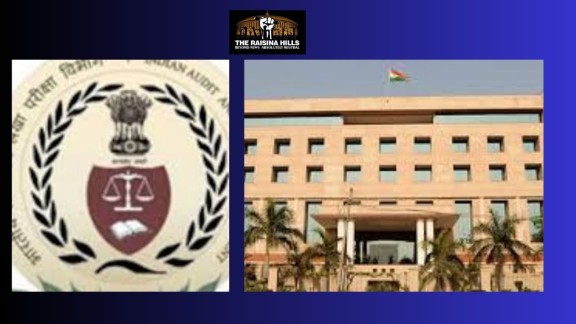
CAG Office India (Image official website)
Performance audit reforms must protect the CAG’s independence, not turn constitutional oversight into real-time executive collaboration.
By P. SESH KUMAR
New Delhi, December 28, 2025 — In recent debates on governance reform, a persuasive but perilous argument has emerged: that performance audits should be conducted alongside executive implementation rather than after the event, so that governance outcomes can improve in real time. While this view appears progressive, collaborative, and efficiency-oriented, it quietly undermines the constitutional logic that gave birth to the office of the Comptroller and Auditor General (CAG) of India.
Performance audit was never conceived as an internal management tool or a co-pilot arrangement with the executive. It was designed as an independent, evidence-based mechanism of public accountability-answerable to Parliament, not embedded within administration.
Drawing upon constitutional principles, international audit practice, and the true intent of performance auditing, this note contends that what India needs is not proximity between auditor and executive, but sharper timing, stronger follow-through, and greater respect for institutional distance.
Performance audit must help governance-not by co-managing it, but by holding it unflinchingly to account.
Strengthening Performance Audit Without Diluting Independence
The way forward does not lie in collapsing the constitutional distance between the auditor and the executive, but in refining how that distance is used to produce timely, credible, and reform-oriented accountability.
First, performance audits must be strategically sequenced, not episodic or reactive. Instead of arriving long after outcomes have hardened into fait accompli, audits should be planned in phases-early diagnostic audits focusing on programme design, risk assessment, and institutional readiness, followed by outcome audits once implementation matures. This preserves independence while improving relevance.
Second, structured engagement without role confusion must become the norm. Entry conferences, issue papers, management letters, and structured exit conferences already exist within auditing standards. These tools allow dialogue without co-ownership. The executive listens; the auditor evaluates. That boundary must remain non-negotiable.
Third, performance audit must reclaim its constitutional audience-Parliament. Too often, audit reports are treated as administrative advisories rather than instruments of legislative oversight. When legislative committees actively examine performance audits, summon departments, and demand time-bound corrective action, the audit regains its systemic influence without compromising neutrality.
Fourth, follow-up audits must become routine, not exceptional. One of the real weaknesses in India’s audit ecosystem is not delayed reporting, but the absence of disciplined follow-through. Repeated audit observations on the same systemic failures dilute credibility on both sides. A structured follow-up framework restores seriousness to recommendations without converting the auditor into an implementer.
Fifth, the CAG must resist the temptation to trade constitutional distance for perceived relevance. Relevance earned through proximity is fleeting; credibility earned through independence endures. Democracies do not need auditors who help governments look good in real time.
The Executive has all the expertise at its command in the form of the ubiquitous Integrated Financial Advisers as well as Controller General of accounts for the internal audit and financial vetting purposes. The Constitution prescribed auditors (CAG) who help citizens understand whether power was exercised wisely, lawfully, and effectively.
Ultimately, performance audit is not about helping governments feel effective-it is about ensuring they are effective, accountable, and honest in the use of public resources. That responsibility cannot be subcontracted to collaboration. It must rest on constitutional courage.
(This is an opinion piece. Views are personal)
Follow The Raisina Hills on WhatsApp, Instagram, YouTube, Facebook, and LinkedIn




About The Author